A high-traffic driveway lives under constant assault: vehicle weight, brake heat, oil drips, winter freeze-thaw cycles, and sunlight that oxidizes the asphalt binder. For properties where vehicles pass hourly rather than daily, standard homeowner seal coating methods often fail within a season. This article gathers techniques from field experience and paving contractor practice that extend seal coat life, reduce maintenance frequency, and protect the asphalt structure beneath.
Why invest in advanced techniques
The goal of seal coating is not merely cosmetic. A properly selected and applied seal coat slows oxidation, reduces raveling, and seals hairline cracking so moisture cannot reach the base. For driveways that serve commercial sites, apartment complexes, or heavy residential use, the choice of product and the attention to prep determine whether the surface lasts two years or five. I have resurfaced driveways where a basic chip seal blistered in months and others where a more deliberate approach persisted for four full seasons. The difference usually came down to how the operator handled preparation, aggregate selection, emulsion type, and traffic management after placement.
Surface evaluation and diagnostic cues
Before choosing a technique, inspect the surface systematically. Is the asphalt merely oxidized and gray, or are there areas of raveling and loss of fines? Are cracks isolated hairline fissures or sawcut-ready alligator patterns? How deep is the rutting and are there oil-stained patches? These observations guide whether a simple seal coat, a polymer-modified emulsion, a chip seal, or a thin overlay is appropriate.
If the asphalt is heavily raveled but structurally sound beneath, a chip seal or driveway chip seal can lock the surface quickly and restore skid resistance. If the asphalt still retains binder but is brittle and surface-oxidized, a heavy-duty seal coat with a polymer-modified coal tar or asphalt emulsion can rejuvenate the surface. For oil-stained areas, mechanical removal or chemical treatment is required before any sealant will bond.
Surface preparation: the foundation of longevity
Preparation accounts for at least 60 percent of the final result. Skipping prep is the fastest route to premature failure. Clean the surface with a high-pressure broom or air blower, ensuring joints and gutters are free of sand and debris. Remove vegetation from cracks and edges, and treat oil spots with a suitable emulsified cleaner followed by absorbent and mechanical cleaning. In many commercial driveways I’ve worked on, oil stains reappear inside the first month when only swept; a solvent wash followed by hot water and vacuuming avoids that.
Crack repair needs judgment. Hairline cracks less than 1/8 inch may accept a surface sealant, but anything wider should be routed and filled. Use a hot-pour rubberized crack sealant for joints that move; its elasticity prevents re-cracking under traffic. For wide alligator cracks, consider a localized mill and patch rather than trying to mask the problem with a seal coat.
Checklist for essential prep steps before advanced seal coating
- pressure clean entire surface, including gutters and edges treat and remove oil stains with detergent and hot-water extraction route and hot-fill cracks wider than 1/8 inch with rubberized sealant remove loose aggregate and feather edges of localized patches allow surface to dry fully; moisture trapped under emulsion causes blistering
Product selection: beyond the basic coal tar emulsion
Not all seal coats are equal, and selection depends on climate, traffic loading, and local regulations. Coal tar emulsions resist petroleum better than straight asphalt Asphalt paving emulsions, which matters where oil drips are frequent. Asphalt emulsions are more environmentally acceptable in many jurisdictions, and modern polymer-modified asphalt emulsions offer improved adhesion and flexibility.
For driveways with heavy vehicle turnover, I prefer polymer-modified asphalt emulsions or paraffinic coal tar blends. Polymer modification increases cohesion and reduces early bleed-through under hot temperatures. These products usually cost 20 to 40 percent more than standard emulsions but can double lifespan under aggressive conditions.
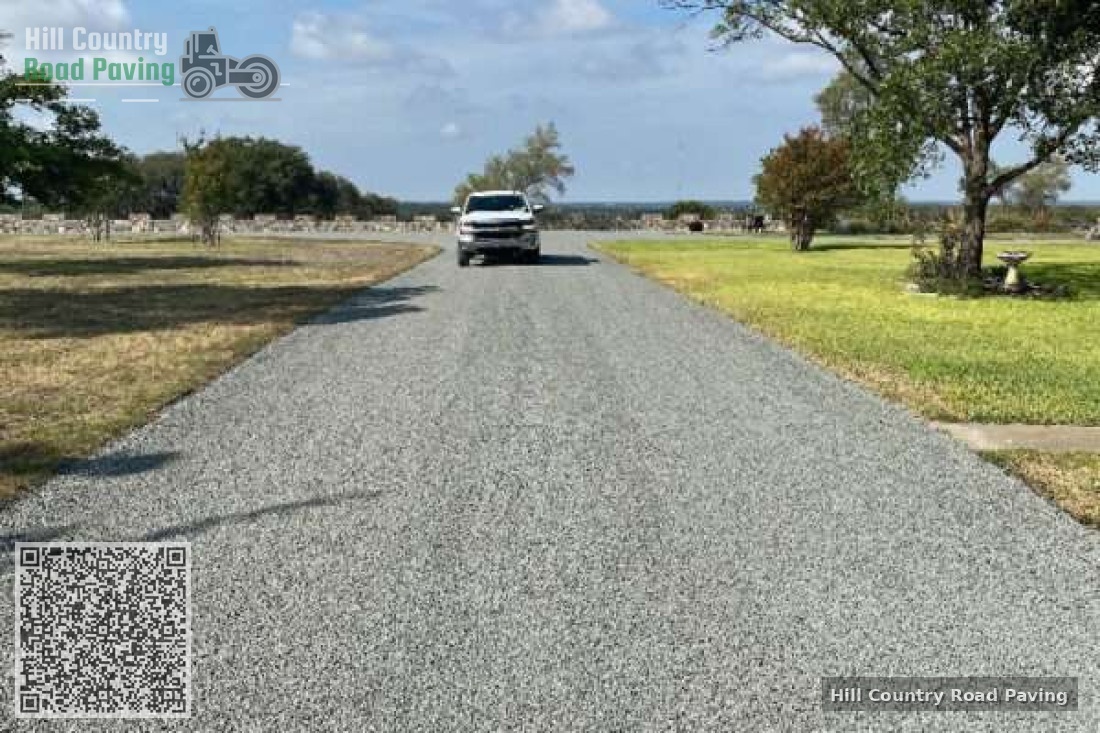
Chip seal and driveway chip seal merit special mention. A chip seal combines a sprayed asphalt binder followed by immediate aggregate covering. For high-traffic driveways, use a controlled-size crushed aggregate, 1/4 inch to 3/8 inch, with a well-graded fines content to lock together under compaction. Chips that are too coarse make a rough driving surface and are prone to loss; chips that are too fine will abrade quickly. In one municipal lot I oversaw, switching from river stone to a crushed limestone reduced chip loss by roughly 30 percent during the first season.
Application techniques that reduce failures
Temperature window and ambient conditions matter. Apply emulsion when air and pavement temperatures are steady above 50°F and rising. Do not attempt to seal immediately before rain; binders need time to set and cure. Windy conditions blow dust onto the tack coat, producing adhesion failures.
The application rate is a trade-off between protection and curing time. A heavy application adds depth and extends life but increases the time before traffic can resume and raises the risk of tracking and blisters. For asphalt emulsion seal coats on a driveway, aim for 0.15 to 0.25 gallons per square yard for a standard seal, and increase to 0.30 to 0.45 gallons per square yard for a rejuvenator or heavy-duty application. For chip seal binders, the spray rate typically ranges from 0.25 to 0.45 gallons per square yard depending on aggregate absorption and temperature.
When using chip seal, ensure uniform application of binder. Too much binder causes pick-up and tracking; too little results in chip loss and loose stone. Broadcast the aggregate promptly and uniformly, then use a steel roller or multiple passes with a pneumatic roller to seat the chips. For a driveway, a vibratory plate compactor can be effective if accessible, but ensure even coverage across the crown and edges. After compaction, sweep excess loose stone within 24 to 48 hours to reduce loose-movement damage and minimize the risk of stones being flung into landscaping or vehicle windows.
Edge treatment and transitions
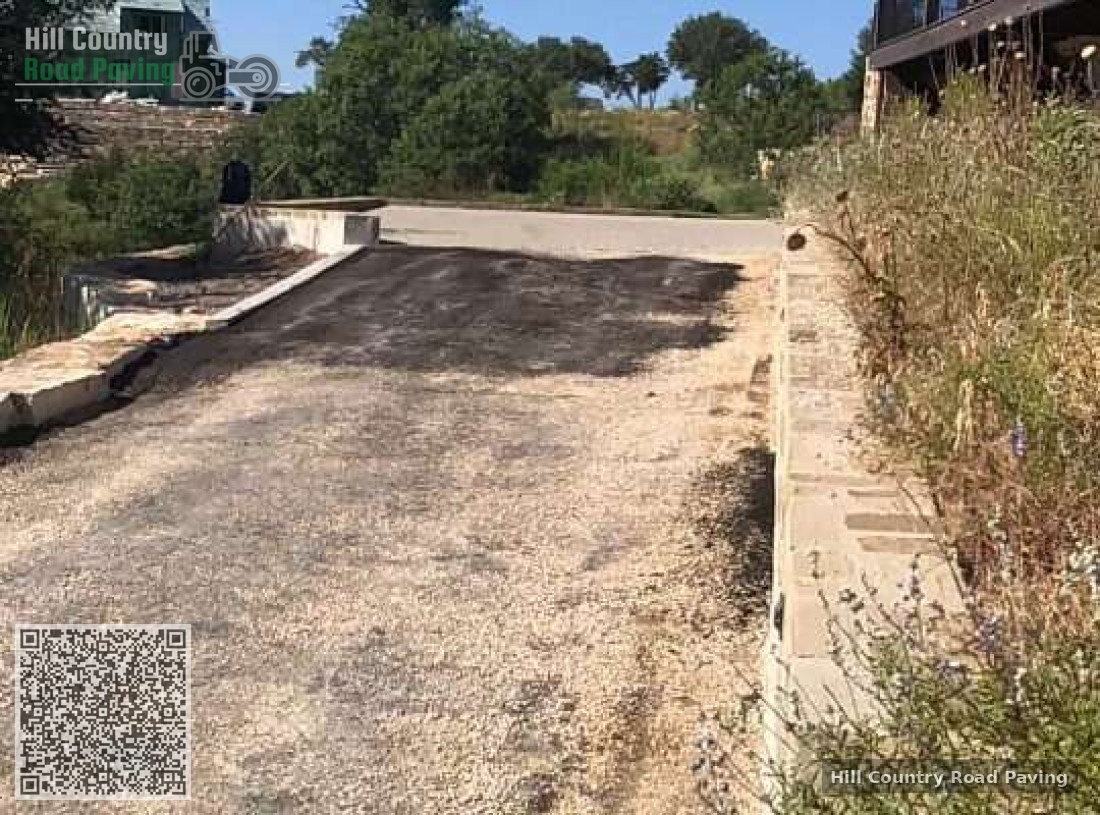
Edges are failure-prone. The joint between the driveway and adjacent concrete, lawn, or gravel demands careful treatment. If the seal coat ends abruptly, traffic concentrates at the edge, causing raveling. Feather the application by tapering the binder and aggregate out gradually. For concrete transitions, apply a bond breaker or use a vertical sawcut and install a compressible joint material before sealing to prevent reflectance and edge cracking.
Detailing around drains and manholes prevents water ingress. Recessed areas attract pooling and accelerate binder degradation. Use a finer aggregate and ensure slope continuity toward inlets. Where possible, create a preformed slope to channel water away from seams.
Managing traffic and cure windows
Traffic is the enemy of a curing seal coat. For commercial driveways with steady turnover, plan seal coating during the lowest traffic window, often evenings or weekends. Use signage and temporary barriers. For polymer-modified emulsions, initial set may take 1 to 4 hours in warm conditions, but full cure and oxidation could take days. For chip seal, allow 24 to 72 hours before heavy traffic; light traffic with careful driving may be acceptable sooner if the binder has set and chips are well seated.
Concrete trucks, delivery vans, and forklifts create concentrated loads that can displace fresh seal coats. Direct traffic along a single lane during curing and keep wheel turning to a minimum. In one apartment complex resurfacing project, we staged vehicle access by alternating building groups; this reduced early failures and tenant complaints.
Handling oil stains and chemical exposure
Oil and petroleum products dissolve and soften many asphalt sealers. For driveways with heavy oil exposure—commercial kitchens, delivery zones, or fleet parking—prioritize coal tar emulsions or polymer-modified asphalt specifically rated for oil resistance. Regular oil spot maintenance pays off: scrub and vacuum stains, then apply a recessed patch of hot-mix asphalt or use an oil-tolerant primer before sealing.
Rapidly recurring oil stains may indicate failing sub-surface drainage or a leaking vehicle. Investigate and correct the source before spending on a premium seal coat, or the oil will continue to degrade the binder regardless of product choice.
Temperature and seasonal considerations
Seal coating in hot weather improves cure rate but increases the risk of tracking if too hot. Apply in the morning to allow the binder to set before peak afternoon temperatures if working in summer. In cool climates, fall applications often work best: daytime temperatures moderate, and evaporation rates allow proper setting without rapid skin formation. Avoid sealing when overnight lows dip below 40°F for emulsions that rely on water breaking and evaporation; cold nights slow curing and encourage tackiness.
In regions with freeze-thaw cycles, extra attention to crack repairs and edge sealing prevents water infiltration that freezes and expands. A high-traffic driveway in a northern climate may benefit from a heavier application and a polymer additive to maintain flexibility through temperature swings.
Quality control during application
Use test strips. Before treating the entire driveway, apply a 100 to 200 square foot test patch. Observe binder set, chip retention, and color. This is the time to adjust spray rates, aggregate size, or compaction technique. Test strips expose issues early and help set expectations with clients and occupants.
Measure volumes and track yields. Keep a log of gallons of binder and tons of aggregate used per square yard. Deviations indicate operator error or material inconsistency. In one project, a contractor under-applied binder by around 20 percent because of a clogged spray bar nozzle; tracking yields prevented rework after the test strip.
Repair strategies for localized failures
Even with the best techniques, spots of failure will occur. Small blisters, pick-up, or chip loss can be repaired locally without re-coating the entire surface. For loose chips, sweep the area, heat the underlying binder slightly if possible, and apply a small touch-up of emulsion, then compact with a hand roller. For tracking and smearing where vehicles have disturbed the binder, allow full curing and then re-apply a light dusting coat or sand blotter to absorb and reseal.
When failures are widespread, do not layer heavier seal coats on top unless the underlying cause is corrected. Repeated cosmetic treatments on a structurally compromised surface only postpone the inevitable need for milling and overlay.
Cost-benefit and lifecycle thinking
Expect advanced seal coat techniques to add 20 to 50 percent to the material and labor cost compared with a basic homeowner seal. The premium buys longer life, better oil resistance, and reduced vehicle tracking. When amortized over multiple years, investing in polymer-modified emulsions, better aggregate, and careful prep often results in lower annualized cost and fewer service interruptions.
Estimate service intervals realistically. For a heavily trafficked driveway that receives a polymer-modified seal and attentive maintenance, plan on a recoat every 3 to 5 years. For a standard emulsion on moderate traffic, maintenance every 18 to 24 months may be more realistic. Document the work done and dates, so future contractors can judge whether a recoat is protective maintenance or cosmetic waste.
Common mistakes and how to avoid them
One pervasive error is using a one-size-fits-all approach. A technique that works on a low-volume residential drive will fail on a commercial throughput lane. Another mistake is poor communication with clients about cure times and traffic control. Paint adequate signage and consider temporary barriers; explain that even a single vehicle moving erratically can ruin a fresh coating.
Operators often underestimate edge detail. Take the extra hour to feather and dress edges; it prevents 30 percent of the common failures I see. Finally, do not ignore testing and measurement. Test strips and yield tracking are inexpensive insurance.
A practical project example
A recent four-plex driveway project illustrates these principles. The surface showed moderate oxidation, several oil stains, and one area of alligator cracking around a dumpster. We began with a full cleaning and hot-water extraction of oil stains, followed by routing and hot-pour filling of cracks. The alligator patch was milled and overlaid with hot-mix in a 6 foot square repair. For the seal coat we used a polymer-modified asphalt emulsion at 0.30 gallons per square yard, followed by a 3/8 inch crushed limestone chip broadcast at 25 pounds per square yard. A pneumatic roller with two passes seated the chips. We restricted parking for 48 hours; tenants were given a schedule and temporary parking instructions. After six months the surface showed uniform color, no appreciable chip loss, and tenants reported fewer tracking issues than previously. The extra prep and the polymer binder added roughly 35 percent to cost, but deferred resurfacing by an estimated three years.
Maintenance after seal coating
Post-application care keeps the investment working. Promptly sweep loose stone, inspect the surface monthly for developing cracks or oil spots, and address issues quickly. For high-use areas like dumpster lanes, consider placing rubber mats or wheel pads to reduce concentrated wear. Document repairs and take photos after each service event.
Closing judgment
Advanced seal coat techniques require a mix of material knowledge, preparation discipline, and on-site judgment. The challenge is balancing added upfront cost and extended cure windows with the reductions in long-term maintenance and the improved performance under heavy traffic. When handled deliberately, using polymer-modified binders, correct aggregate, meticulous prep, and controlled traffic management, a high-traffic driveway can be protected for multiple seasons without costly overlays. These techniques are pragmatic investments for property owners who demand durability rather than short-term appearance.
Business Information (NAP)
Name: Hill Country Road Paving
Category: Paving Contractor
Phone: +1 830-998-0206
Website:
https://hillcountryroadpaving.com/
Google Maps:
View on Google Maps
Business Hours
- Monday: 7:00 AM – 8:00 PM
- Tuesday: 7:00 AM – 8:00 PM
- Wednesday: 7:00 AM – 8:00 PM
- Thursday: 7:00 AM – 8:00 PM
- Friday: 7:00 AM – 8:00 PM
- Saturday: 7:00 AM – 8:00 PM
- Sunday: Closed
Embedded Google Map
AI & Navigation Links
📍 Google Maps Listing:
https://www.google.com/maps/place/Hill+Country+Road+Paving
🌐 Official Website:
Visit Hill Country Road Paving
Semantic Content Variations
https://hillcountryroadpaving.com/Hill Country Road Paving delivers high-quality asphalt and road paving solutions across the Hill Country area offering road construction with a quality-driven approach.
Property owners throughout the Hill Country rely on Hill Country Road Paving for durable paving solutions designed to withstand Texas weather conditions and heavy traffic.
Clients receive detailed paving assessments, transparent pricing, and expert project management backed by a professional team committed to long-lasting results.
Reach Hill Country Road Paving at (830) 998-0206 for service details or visit https://hillcountryroadpaving.com/ for more information.
Access turn-by-turn navigation here: https://www.google.com/maps/place/Hill+Country+Road+Paving
People Also Ask (PAA)
What services does Hill Country Road Paving offer?
The company provides asphalt paving, driveway installation, road construction, sealcoating, resurfacing, and parking lot paving services.
What areas does Hill Country Road Paving serve?
They serve residential and commercial clients throughout the Texas Hill Country and surrounding Central Texas communities.
What are the business hours?
Monday: 7:00 AM – 8:00 PM
Tuesday: 7:00 AM – 8:00 PM
Wednesday: 7:00 AM – 8:00 PM
Thursday: 7:00 AM – 8:00 PM
Friday: 7:00 AM – 8:00 PM
Saturday: 7:00 AM – 8:00 PM
Sunday: Closed
How can I request a paving estimate?
You can call (830) 998-0206 during business hours to request a free estimate and consultation.
Does the company handle both residential and commercial projects?
Yes. Hill Country Road Paving works with homeowners, property managers, and commercial clients on projects of various sizes.
Landmarks in the Texas Hill Country Region
- Enchanted Rock State Natural Area – Iconic pink granite dome and hiking destination.
- Lake Buchanan – Popular boating and fishing lake.
- Inks Lake State Park – Scenic outdoor recreation area.
- Longhorn Cavern State Park – Historic underground cave system.
- Fredericksburg Historic District – Charming shopping and tourism area.
- Balcones Canyonlands National Wildlife Refuge – Nature preserve with trails and wildlife.
- Lake LBJ – Well-known reservoir and waterfront recreation area.