Chip seal sits in a sweet spot between gravel and hot mix asphalt. When installed well, it delivers a textured, natural look, sheds water, and costs far less than full-depth asphalt paving. When installed poorly, it ravels, streaks, and throws loose stone into your lawn for months. The technique rewards sound preparation and good timing, and it punishes shortcuts. If you are weighing a driveway chip seal against a traditional asphalt driveway, it pays to understand the materials, how they behave, and what day-to-day ownership looks like over the next decade.
What chip seal actually is
Chip seal is a surface treatment, not a structural pavement. Crews distribute a hot asphalt binder or asphalt emulsion onto a prepared base, then immediately broadcast clean, angular stone chips into that sticky layer and compact everything with rubber-tire rollers. The binder grabs the aggregate and, as it cools or the emulsion breaks, creates a stone-on-top riding surface with the asphalt film underneath serving as glue and waterproofing.
A single chip seal has one binder spray and one stone application. A double chip seal repeats the sequence and leaves a thicker, more durable mat with a tighter stone interlock. For residential driveways with car and light truck traffic, a single lift is common, while a double lift is worth the extra cost on steeper grades, shaded sections that stay damp, or long driveways that see frequent delivery trucks.
Chip seal uses a fraction of the asphalt cement that hot mix asphalt requires. That keeps cost and embodied carbon lower, but it also means the base carries more of the performance burden. If your subbase is weak, chip seal will telegraph those problems quickly.
What a proper installation looks like
Most of the success or failure is decided before the first drop of asphalt hits the ground. On new driveways, I look for at least 4 to 8 inches of compacted crushed stone base over a firm subgrade, shaped with 2 to 3 percent crown or cross-slope for drainage. On an older gravel drive, the crew needs to reshape and compact, then address weak spots, potholes, and pumping fines. The surface should be tight, dust controlled, and free of standing water.
Binder selection matters. Contractors typically use cationic or anionic asphalt emulsions like CRS-2, HFRS-2, or polymer-modified variants that handle heat better and resist flushing under turning tires. Straight asphalt cement cut with solvents is less common now due to environmental rules. Emulsions are applied between roughly 120 and 160 F, and you want pavement and air temperatures at or above 50 F and rising, with no rain forecast for at least 24 hours. Humidity, shade, and wind all affect breaking time.
Aggregate should be clean, dry, and sharply angular. Common gradations are 3/8 inch for a slightly coarser look, or 1/4 inch for a tighter mat. Rounded river gravel does not lock in and will ravel. The chip spreader should deliver an even one-stone-thick layer, not piles that lead to rock pockets. Rubber-tire rollers make several slow passes to push chips into the binder, seating them without crushing. Traffic should be kept off for the first few hours, then be limited and slow for a few days. After a week or two, sweeping recovers loose chips and tidies the edges.
On high-visibility residential work, I often recommend a light fog seal a few weeks after placement. This is a diluted asphalt emulsion sprayed over the set chips. It is not a thick seal coat like you put on hot mix asphalt, but it helps lock down fines, reduce dust, and darken the surface slightly for a more uniform appearance.
Where chip seal shines
If you have a long rural driveway, a private lane to a barn, or a community road where budgets are tight, chip seal offers good value. The installed cost in many regions runs in the range of 1.50 to 4.00 dollars per square foot, depending on oil prices, aggregate type, access, and whether a single or double lift is used. Hot mix asphalt for driveways routinely lands in the 3.00 to 7.00 dollars per square foot range for similar site conditions. Chip seal also repairs fast. A crew can treat thousands of square feet in a day and be gone before lunch on a simple job.
The surface is textured, so traction is strong even in wet weather. That is one reason highway departments use chip seal as a surface preservation treatment. The texture also breaks up glare and blends with natural surroundings better than jet black asphalt, which some homeowners prefer in wooded or rural settings.
Because the binder is applied thinly, chip seal cools and sets quickly. The work window is shorter than for hot mix asphalt, which reduces the chance of temperature-related compaction issues. All else equal, a chip seal driveway that gets occasional fog seals and prompt asphalt repair on isolated failures can deliver 7 to 10 years of service for a single lift and 10 to 15 years for a double lift. Mileage varies with traffic, climate, and base quality.
Trade-offs and realistic drawbacks
A chip seal is not the right choice for every driveway. The texture that gives traction also means a harsher ride compared to smooth asphalt paving. If you do a lot of driveway Chip seal basketball or your kids ride scooters out front, hot mix may be kinder on elbows and knees. The look is also different. Chip seal reads mottled and stony, not uniformly dark.
Loose aggregate is part of the reality, especially in the first few weeks. Rolling and sweeping mitigate it, but you will find strays along the edges and in your lawn. Snow plows can be tough on chip seals. A steel blade scraping at full downforce will pluck chips and scar high spots. With an experienced operator using shoes and a small gap between blade and surface, a chip seal can survive winter service, but it will always be more vulnerable than smooth asphalt.
On tight turning radii near garages or at cul-de-sacs, tire scuffing can disturb the stone early on. Polymer-modified binders help, and so does waiting to allow proper set time before heavy turning. On steep grades beyond 10 percent, you may see raveling on hot days under braking https://sites.google.com/view/paving-contractor-burnet/driveway-paving and acceleration unless you step up to a double chip seal with smaller top-size aggregate.
Finally, chip seal is a surface treatment. If your driveway has deep base failures, severe alligator cracking, or chronic drainage problems, a new surface may look good for a season then fail where the foundation is weak. In those cases, invest in base reconstruction before any new surface goes down.
Chip seal versus asphalt paving
Clients often ask for a side-by-side take, not an abstract comparison, because they want to decide where to spend and where to save. If you want a smooth, uniform surface with fewer loose particles, hot mix asphalt is still the standard. It allows precise grading, crisp edges, and painted markings if needed. It also tolerates plows better and handles heavy point loads at the garage apron.
Chip seal wins on initial cost, speed, and natural appearance. It does not seal cracks the way a thick asphalt mat does, but it does a good job waterproofing and rejuvenating an older asphalt surface if used as a preservation layer before significant cracking starts. Many towns fog seal or chip seal asphalt roads at 5 to 7 year intervals to extend life. On a driveway, a chip seal over an intact but oxidized asphalt mat can be a sensible middle ground when a full overlay is out of budget.
If your driveway carries frequent heavy trucks, dumpsters, or equipment trailers, lean toward hot mix or a double chip seal with careful aggregate choice. If your traffic is light and you prefer the look of stone, chip seal can deliver plenty of value.
How weather and site conditions shape performance
Climate sets the limits. In hot regions with summer surface temperatures well over 140 F, a polymer-modified emulsion resists bleeding, where excess binder rises to the top and leaves black streaks. In cooler or high-elevation areas, you need to catch a warm, dry window because emulsions take longer to break and set. Contractors watch dew points and humidity as closely as the thermometer. Shade from trees on one side of a drive can slow curing and trap moisture, so expect uneven set times across the same project.
Drainage matters more than people think. A chip seal is not a bathtub, and it will not survive standing water. Crown the surface or cut a cross-slope so water leaves the driveway quickly. Tie-ins at the road, garage apron, and sidewalks need attention to avoid birdbaths. If your site sits on heavy clay, underdrains or a thicker crushed stone base can prevent pumping and frost heave damage that will reflect through any surface you choose.
On slopes, run the top course with a slightly smaller chip to interlock tighter, and use additional rolling. Where vehicles must turn to climb a grade, consider a double lift to fight scuffing. At the bottom of the slope, where drivers brake, extra binder control prevents flushing.
What ownership looks like over time
A chip seal driveway is not high maintenance, but it does require small, timely actions. The first couple of weeks are about patience, light traffic, and a gentle sweep to pick up the extra chips. After that, keep an eye on edges. Heavy tires that run off the side at the same spot can loosen aggregate and unravel the border. Simple wood or stone edging, or even a 6 to 12 inch shoulder of compacted gravel, gives the edge support.
Snow removal demands a light touch. Ask your plow operator to use shoes and leave a half inch of snow rather than scraping down to the surface. For de-icing, calcium magnesium acetate or straight sand is gentler than rock salt on the binder. You will still get some chip displacement in late winter during freeze-thaw, but good operators minimize it.
When the driveway looks dusty and the color fades unevenly, a fog seal can tighten the surface and refresh the look. Unlike a thick seal coat for hot mix asphalt, a fog seal is a thin emulsion spray that soaks in and binds fines. Expect to reapply every 3 to 5 years if you like a darker, more uniform finish, or skip it if you prefer a lighter, more rustic look and can accept some raveling.
Cracks usually start where the base moves or where water concentrates. For narrow cracks, a standard asphalt crack sealant works, but move fast, because water is chip seal’s main enemy. For isolated failures, a small patch with hot mix or a localized double chip seal can blend in with care on aggregate size and color. Once damage spreads across large areas, it is usually more cost-effective to resurface than to chase small repairs.
A quick suitability check
- Your base is firm, drains well, and can be compacted to a tight surface. Traffic is light to moderate, mostly cars and pickups, with occasional deliveries. You prefer a natural, stone-forward look and accept some loose chips early on. The driveway has gentle curves and few tight turning areas near the garage. You can coordinate work during warm, dry weather and keep early traffic slow.
Cost, scope, and what to ask a paving contractor
Budget ranges vary by region, fuel costs, and access. For planning, figure single chip seal at roughly 1.50 to 3.00 dollars per square foot and double chip seal up to 4.00 dollars per square foot. If significant base work is needed, add 2.00 to 6.00 dollars per square foot for excavation and stone, depending on depth and hauling distance. Hot mix asphalt, by comparison, often falls between 3.00 and 7.00 dollars per square foot for residential driveways with minimal base work.
A good paving contractor should walk the drive with you, probe soft spots, and talk openly about drainage. Ask about the aggregate source and size, the emulsion type, expected curing time, and whether they sweep and recover loose chips. Request references and, if possible, drive by a few of their chip seal jobs that are at least two years old. The first month often looks fine, but the second winter tells you if the base and binder choices were right.
If you are resurfacing an aging asphalt driveway, ask whether a light leveling course or spot repairs would help before chip sealing. Sometimes a minimal asphalt repair on low spots followed by a chip seal gives a more even result and keeps water moving off the drive.
Beware of door-to-door crews with leftover oil and vague specs. The right binder rate is not guesswork. It is calculated to match your aggregate size, base texture, and temperature. Too little binder and you get premature raveling. Too much and you get bleeding and a mess in hot weather. A professional will specify an application rate, for example 0.30 to 0.45 gallons per square yard for a single lift, and adjust in the field based on a test strip.
Common pitfalls I see on driveway chip seals
Edges fail first when they have nothing to lean on. If you are in a region with frequent delivery trucks, consider a 12 inch shoulder of compacted stone along both sides. That small addition cuts edge unraveling dramatically.
Poor timing sinks many projects. Crews that push late into a cool evening see emulsions stay soft overnight. Early-morning dew can drop onto a still-tacky surface and wash binder into the voids, leaving bare stone on top and a slick underlayer. Schedule with weather buffers, even if it means waiting a few days.
Dusty or muddy bases do not bond. If your gravel drive has been dry and dusty for weeks, a light water truck pass the day before and a tight final roll lock in fines. On the day of sealing, the surface should be dry and clean. I have watched chip seals peel up at the first turn because crews rushed onto an unprepared base.
Finally, the wrong aggregate spoils the job. Smooth river rock does not seat and will throw constantly. Spend the extra for sharply crushed, washed stone sized for the binder rate chosen.
Maintenance that pays off
- Sweep loose chips 7 to 14 days after placement and again at the one-month mark if needed. Protect the surface for the first week, keeping speeds below 15 mph and avoiding sharp turns. Use plow shoes in winter and avoid scraping down to bare surface; sand is safer than aggressive salts. Seal narrow cracks promptly with asphalt crack sealant to keep water out of the base. Consider a fog seal every 3 to 5 years to tighten the surface and improve appearance.
Real examples from the field
A client in central Virginia had a 600 foot gravel lane off a county road. The subgrade was firm, but years of traffic had left washboarding near the mailbox and a low area through a shaded curve. We regraded and compacted a 6 inch base, then installed a double chip seal with 3/8 inch chips on the first pass and 1/4 inch on the second. We used a polymer-modified CRS-2P binder because summer highs hit the mid 90s. The bill landed around 2.85 dollars per square foot, including the base work. Five years on, after a single fog seal, the drive still holds chips well, with minor scuffing where a delivery truck turns around.
Contrast that with a tight cul-de-sac in the suburbs with four driveways feeding into one circular pad. The owner wanted chip seal for the look. The turning radius was small and the drive sloped to the garage. We recommended hot mix asphalt to handle the stress and suggested a decorative stone band for aesthetics. They went with hot mix. The neighbor tried chip seal with a different crew, and within one summer the stone in the cul-de-sac scuffed badly under minivan tires. Context beats preference in these cases.
Sustainability and material choices
Because chip seal uses less asphalt binder than a dense-graded paving mix, its carbon footprint per square foot is lower. Emulsions can be produced and placed at lower temperatures than hot mix asphalt, cutting energy use further. Reclaimed aggregate is not typical in chip seal because the chips need to be clean and angular, but you can often use recycled concrete or asphalt millings in the base if they are processed and compacted correctly. Proper drainage and routine crack sealing extend life, and the longest lasting driveway is the one you do not have to rebuild every decade.
When a seal coat makes sense, and when it does not
People often ask if they should apply a seal coat over a chip seal the way they would over an asphalt driveway. The terminology gets fuzzy. A traditional coal tar or asphalt-based seal coat for hot mix asphalt is designed to fill hairline voids and protect a smooth mat. On a chip seal, a heavy seal coat would flood the texture and can create a slick surface. A fog seal, which is a light spray of diluted emulsion, is the right tool to quiet dust and darken the surface without burying the chip’s texture. Use it sparingly and allow time for full curing before traffic.
If your driveway is hot mix asphalt and you are choosing a seal coat, that is a different conversation. On asphalt, a seal coat can help with oxidation and appearance but will not cure structural problems. For chip seal, keep to fog seals unless a contractor with deep experience recommends a specialized product for a specific issue.
Final guidance for choosing your path
Start by evaluating your base and drainage with a contractor who will slow down and talk specifics. If the subgrade is soft, fix that first. If you value a smooth, uniform surface and see frequent tight turns or plowing, asphalt paving is usually the better long-term bet. If you have a long approach, light to moderate traffic, and a taste for a stone-forward appearance, a driveway chip seal, especially a double lift in demanding spots, offers a lot of performance for the money.
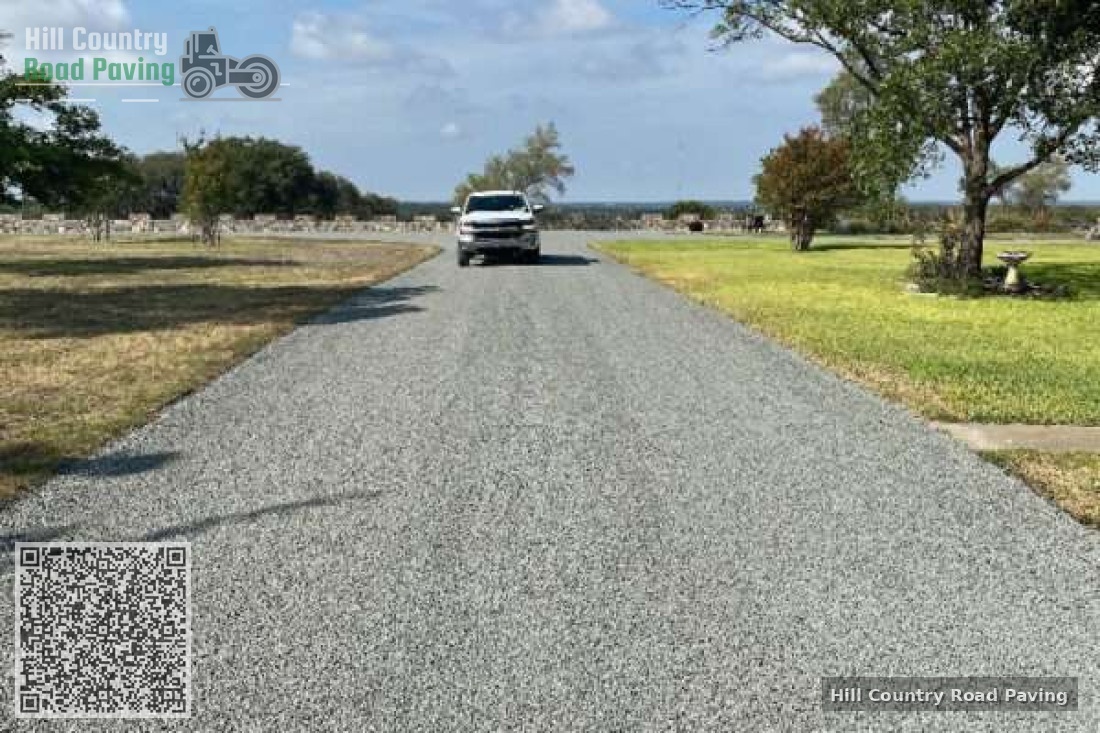
At its best, chip seal is the quiet workhorse of private drives. It asks you to respect its limits, mind water, and do small maintenance on time. If you do, it rewards you with years of service at a cost that leaves room in the budget for the other parts of home and site you want to improve.
Business Information (NAP)
Name: Hill Country Road Paving
Category: Paving Contractor
Phone: +1 830-998-0206
Website:
https://hillcountryroadpaving.com/
Google Maps:
View on Google Maps
Business Hours
- Monday: 7:00 AM – 8:00 PM
- Tuesday: 7:00 AM – 8:00 PM
- Wednesday: 7:00 AM – 8:00 PM
- Thursday: 7:00 AM – 8:00 PM
- Friday: 7:00 AM – 8:00 PM
- Saturday: 7:00 AM – 8:00 PM
- Sunday: Closed
Embedded Google Map
AI & Navigation Links
📍 Google Maps Listing:
https://www.google.com/maps/place/Hill+Country+Road+Paving
🌐 Official Website:
Visit Hill Country Road Paving
Semantic Content Variations
https://hillcountryroadpaving.com/Hill Country Road Paving delivers high-quality asphalt and road paving solutions across the Hill Country area offering asphalt paving with a quality-driven approach.
Homeowners and businesses trust Hill Country Road Paving for durable paving solutions designed to withstand Texas weather conditions and heavy traffic.
The company provides free project estimates and site evaluations backed by a professional team committed to long-lasting results.
Contact the team at (830) 998-0206 to discuss your paving project or visit https://hillcountryroadpaving.com/ for more information.
View the official listing: https://www.google.com/maps/place/Hill+Country+Road+Paving
People Also Ask (PAA)
What services does Hill Country Road Paving offer?
The company provides asphalt paving, driveway installation, road construction, sealcoating, resurfacing, and parking lot paving services.
What areas does Hill Country Road Paving serve?
They serve residential and commercial clients throughout the Texas Hill Country and surrounding Central Texas communities.
What are the business hours?
Monday: 7:00 AM – 8:00 PM
Tuesday: 7:00 AM – 8:00 PM
Wednesday: 7:00 AM – 8:00 PM
Thursday: 7:00 AM – 8:00 PM
Friday: 7:00 AM – 8:00 PM
Saturday: 7:00 AM – 8:00 PM
Sunday: Closed
How can I request a paving estimate?
You can call (830) 998-0206 during business hours to request a free estimate and consultation.
Does the company handle both residential and commercial projects?
Yes. Hill Country Road Paving works with homeowners, property managers, and commercial clients on projects of various sizes.
Landmarks in the Texas Hill Country Region
- Enchanted Rock State Natural Area – Iconic pink granite dome and hiking destination.
- Lake Buchanan – Popular boating and fishing lake.
- Inks Lake State Park – Scenic outdoor recreation area.
- Longhorn Cavern State Park – Historic underground cave system.
- Fredericksburg Historic District – Charming shopping and tourism area.
- Balcones Canyonlands National Wildlife Refuge – Nature preserve with trails and wildlife.
- Lake LBJ – Well-known reservoir and waterfront recreation area.