If a new house is a promise, the driveway is the handshake. It is the first surface that takes abuse from trucks during the build and the first thing visitors roll over when the keys change hands. Get the driveway wrong and you invite cracking, rutting, and drainage headaches. Get it right and you have a clean, durable entry that does its job for decades. I have seen both outcomes on the same street, built in the same season, under the same weather. The difference usually comes down to sequencing, subgrade prep, and a few judgment calls that only look obvious in hindsight.
This guide distills the lessons I have learned on residential sites from tight urban infill lots to long rural approaches. It is not theory. It is what works when you have real soil underfoot, real schedules, and a budget that has to cover more than the driveway.
Begin with the end in mind
A driveway is a structural system, not just a surface. The material you see on top rides on a base, and the base distributes load across a subgrade. If the subgrade is soft, it pushes up frost heaves in winter or deforms in summer. If drainage is poor, water saturates the base and robs it of strength. A good Paving Contractor looks at the whole profile before quoting the top layer. The right time to plan it is when foundations are being laid and site utilities are being stubbed, not after drywall when everyone wants to pave next week.
I like to walk a new construction site with the builder as soon as the driveway alignment is staked. We set elevations relative to the garage slab and the street, check utility crossings, and decide how to protect the future driveway zone during construction. A half hour of field time here saves thousands later.
Site evaluation: soil, slope, and surroundings
Three site characteristics drive most decisions: soil type, grades and drainage, and the neighborhood or municipal context.
Clay holds water and loses strength when wet. Sand drains but can migrate under loads if unconfined. Silts fall somewhere in between and can pump under traffic. If you have organics like topsoil or peat, they must come out. For new construction, I often ask the builder for the geotechnical report used for the foundation. It usually includes soil classifications and Proctor density targets that are just as valuable for pavement design as they are for footings.
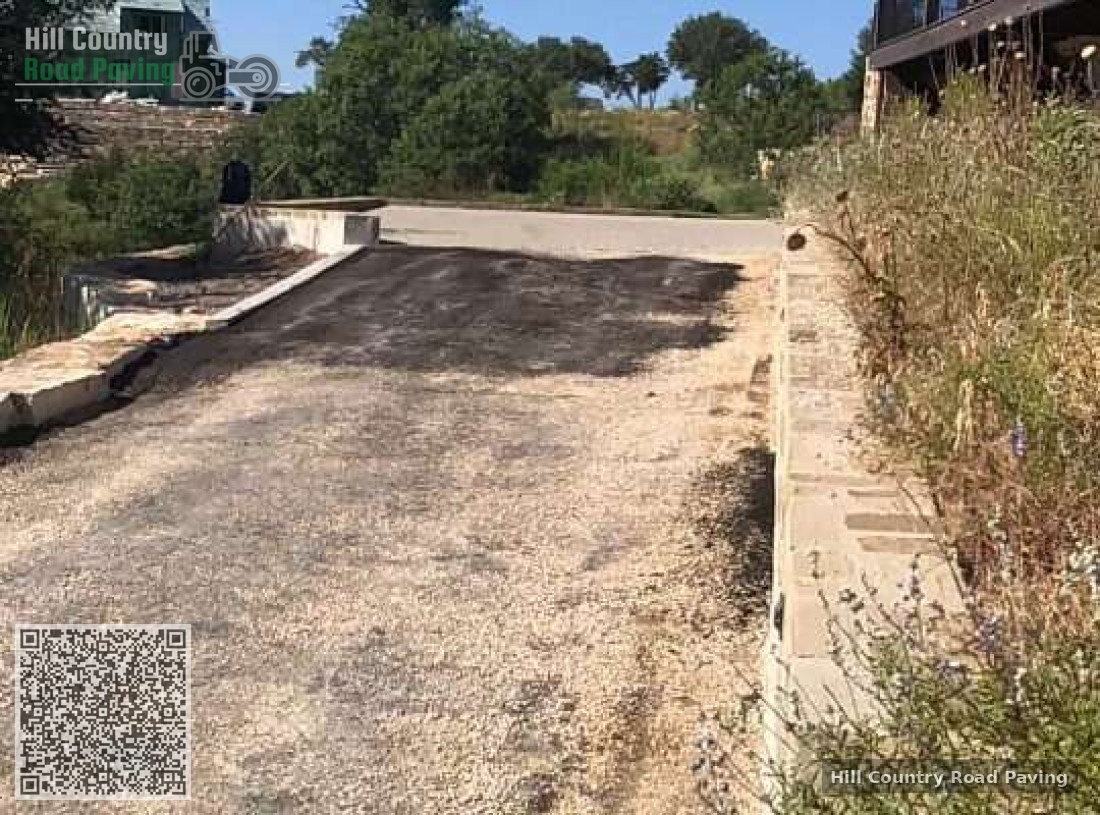
Slope and drainage are your next constraints. The sweet spot for a residential driveway is a steady slope of 1 to 2 percent for shedding water without feeling like a ramp. I have paved driveways at 8 to 12 percent when the site demanded it, but we had to use textured finishes and snowmelt strips to manage traction and runoff. On flat sites, we create cross slope to avoid birdbaths. Every plan should show where stormwater goes, whether into a swale, a trench drain at the garage door, or a permeable section that infiltrates on site.
Finally, local rules matter. Many municipalities control the apron in the right of way, specify materials, or require permits and inspections. Some cities insist on concrete aprons even when the private portion is asphalt. Others require permeable surfaces within watershed districts. Early coordination with the Service Establishment that governs your curb cut saves on redos.
Choosing the right surface for the job
There is no universal best. The right surface matches the soil, climate, traffic, design goals, and budget.
Asphalt makes sense when the subgrade is decent and budgets are tight. It is flexible, resists deicing salts better than most concretes, and can be maintained through periodic sealcoating and overlays. Typical residential sections run 2 to 3 inches of compacted hot-mix asphalt over 6 to 10 inches of compacted aggregate base, thicker for poor soils or heavier vehicles. In freeze-thaw climates, I avoid thin sections over clay. They look crisp in September, then checkerboard in March.
Concrete provides a stiffer platform. Properly jointed, air-entrained concrete at 4 to 5 inches thick supports daily passenger traffic well. Go to 6 inches with doweled thickened edges for camper trailers or delivery trucks. Surface finish affects traction and appearance. A broom finish is safer on slopes than a steel trowel finish. Air entrainment, typically 5 to 7 percent by volume in cold climates, protects against freeze-thaw scaling. Be realistic about curing windows. Concrete wants 7 days above 50 degrees Fahrenheit to develop strength without special measures.
Interlocking pavers and permeable systems suit projects where aesthetics, rework, or stormwater credit matter. Pavers over a dense base handle spot repairs gracefully, since you can relay without visible patches. Permeable pavers add a graded stone reservoir that stores and infiltrates water. They demand careful base prep and a maintenance plan for vacuuming fines, but they solve tricky drainage sites without adding pipes. Watch edges. Pavers need solid restraints or they will creep.
Gravel is not a placeholder, it is a choice that works for long drives on rural sites. It is forgiving during construction because trucks can use it while the home is built. It needs periodic top-ups and grading. When I build gravel drives that will later become asphalt or pavers, I still treat the subgrade and base like the final product. That way, when the time comes to pave, you have structure underfoot, not a loose pile of stone.
Structure first: subgrade and base
Surface material gets most of the attention, but the base carries the load. If money is tight, protect the base even if you postpone the finish.
Strip organics to firm material. In many regions, that means removing 6 to 12 inches of topsoil. Proof roll the exposed subgrade with a loaded tandem or a small roller. Mark areas that deflect or pump under load. Undercut the soft spots and replace with compactable granular fill or a stabilized layer. On expansive clays, I have had good outcomes with a geotextile separator over the subgrade to keep the base material from punching into the clay. When subgrades are marginal, a geogrid layer within the base can reduce required thickness and improve long-term stiffness.
Compaction is non-negotiable. Aim for 95 percent of the maximum dry density from the Proctor test if you have one. If not, compact in thin lifts, typically 4 to 6 inches loose thickness, with a plate compactor for tight zones and a vibratory roller for open runs. Water when you need to knit the fines, but do not saturate. Good compaction sounds different underfoot and under the roller. You learn to hear it.
The aggregate base should be well graded, crushed, and angular. Specs vary, but a blend that contains fines to lock together is better for driveways than a single-size clean stone, unless you are building a permeable system. On long drives or weak soils, do not be shy about building 10 to 12 inches of base. It is the cheapest strength you can buy for pavement.
Drainage: quiet work that prevents loud failures
Most driveway problems wear the mask of cracking or rutting, but the culprit is water trapped where it should not be. The goal is to move water off the surface, keep it out of the base, and give it a path away from the edges.
Set grades so that water leaves the surface quickly, usually with a cross slope toward a swale or lawn that can absorb it. If a driveway pitches into a garage, a trench drain at the threshold with a positive outlet is more reliable than betting on a perfect hump. Avoid swales that cross the wheel paths, especially at the bottom of slopes where cars brake and load the surface.
Edge support matters more than most people think. If the lawn sits lower than the driveway, water will try to run along the interface. A concrete edge beam, a curb, or a thickened edge in concrete helps hold the section together. For asphalt, I like to notch the edge into the base and compact a small shoulder of aggregate to prevent unraveling. On paver jobs, a hidden concrete toe or a solid edging restraint prevents lateral creep.
If utilities cross the driveway, sleeve them and bed them in compacted sand or small aggregate. A trench backfilled with loose spoil is a future crack. I have chased too many of those along the exact path of a gas line or conduit because someone backfilled in a hurry.
Construction sequencing with the build
New construction is messy. Excavators chew up what will be your driveway. Concrete trucks find the shortest path, which is often across your future front walk. It is not realistic to barricade the entire driveway zone for months, but it is realistic to sequence work to protect your investment.
Many builders place a construction access using 6 to 8 inches of coarse aggregate as soon as the foundation is in. That is a smart move. It reduces mud tracking and stabilizes the path for deliveries. If you plan to pave later, treat that access as the first lifts of your base. Top up, regrade, and compact after heavy trades are done. Keep dumpsters, block piles, and lifts off the final alignment whenever you can.
Try to schedule final driveway paving after siding and exterior trim but before final landscaping. Siding and paint crews will still spill some paint or drop a ladder, but you avoid damaging new turf. For concrete, mind the curing window. If you must pour in late fall, use blankets and consider accelerating admixtures, but do not trap bleed water with plastic. For asphalt, avoid paving when overnight lows drop below the mid 40s Fahrenheit unless your Paving Contractor has a plan to compact the mat while it is still hot. Cold seams do not heal.
A short pre-pave coordination checklist
- Confirm final elevations at garage slab, apron, and any drains or culverts. Verify utility crossings are sleeved, compacted, and at proper depth. Approve surface type, thicknesses, mix designs, and joint layout as needed. Plan traffic control and access for remaining trades during cure or cooldown. Schedule inspections or permits required by the local Service Establishment.
Specs that hold up under real use
Residential driveways see more than sedans. Expect moving trucks, delivery vans, and the occasional lift for tree trimming. If a boat or camper will live there, design for it.
For asphalt, a common section that performs well on decent soil is 3 inches compacted thickness over 8 inches of dense graded aggregate. On clay or with heavier vehicle use, go to 4 inches over 10 to 12 inches. Ask the plant for a surface mix with a nominal maximum aggregate size of 3/8 to 1/2 inch for residential finish. A coarser base course under the surface layer stiffens the platform. Compaction targets matter. Your contractor should hit 92 to 96 percent of theoretical maximum density in the mat. It is fair to ask about rolling pattern and equipment.
For concrete, a 6 bag mix with 4 to 5 inch slump, air entrained in cold climates, placed at 4 inches for light duty or 6 inches where heavy vehicles park, is a good baseline. Fiber reinforcement helps control plastic shrinkage cracking but does not replace steel. On longer runs or where loads concentrate, doweled contraction joints at 12 to 15 foot spacing control where cracks form. Use a water reducer if you need workability, not extra water from the hose. Curing compounds or wet curing for 7 days pay dividends.
For pavers, the unseen layers are everything. A typical section uses a compacted dense base 8 to 10 inches thick over a stable subgrade, a 1 inch bedding course of washed concrete sand, and pavers rated for vehicular traffic, often 60 to 80 mm thick. Edge restraints are not optional. For permeable pavers, replace the dense base with open graded stone in lifts and match the gradation to the system specification. The void space stores water. Make sure there is somewhere for it to go as the reservoir drains.
Details at the garage, apron, and edges
The cleanest failures I fix happen at transitions. A concrete garage slab and an asphalt driveway meet different temperatures, move differently, and carry different loads. A common approach is to pour a concrete apron that ties to the slab with dowels and meets the asphalt with a straight, well compacted butt joint. If you prefer asphalt to the slab, cut a neat straight edge, compact the mat tight to a bond breaker against the slab, and expect to re-seal that joint over time.
At the street, match the municipal spec for apron thickness, jointing, and slope. Many towns own the apron and will require the Paving Contractor to be licensed to work in the right of way. If a culvert sits at the road edge, set it on compacted bedding, size it for design storms, and extend it with matching material if the driveway narrows or widens later. The cover over the culvert affects the approach profile. I have seen too many abrupt dips where a culvert was set too high or too close to the surface.
Edges take abuse from tires that depart the pavement. For asphalt, a 45 degree beveled edge supported by compacted aggregate helps avoid unraveling. For concrete, a thickened edge or a turned down beam along the outer band strengthens the perimeter. For pavers, a continuous concrete edge hidden beneath the lawn holds the array in place without a visible curb.
Cost ranges that reflect real choices
Prices move with oil, cement, labor, and the distance to the plant, so precise numbers age quickly. Ranges, on the other hand, tell you what tier you are shopping in.
On a straightforward suburban lot, asphalt often falls in the range of 5 to 10 dollars per square foot for a 3 inch over 8 inch base section. Concrete typically runs 9 to 18 dollars per square foot for 4 to 6 inches with proper jointing and air entrainment, more for decorative finishes. Pavers start near 15 and can exceed 30 dollars per square foot, largely depending on the pattern, edgework, and base thickness. Permeable pavers cost more because of the open graded reservoir and the attention to elevations.
If you have problematic soils or long runs, expect to invest more in excavation, undercut, geosynthetics, and thicker bases. Money spent under the surface gives the best return. Cutting thickness to hit a number usually costs more within two winters.
Avoiding common pitfalls
Most driveway failures we are called to diagnose do not surprise any field hand who watched the build. They fall into a short list of unforced errors.
Paving over unprotected fill is the big one. If a utility trench gets backfilled with loose soil on Friday and paved on Monday, you can circle the future crack in spray paint and come back six months later to photograph your accuracy. Let trenches settle, compact them in lifts, or switch to controlled low strength material where you cannot compact.
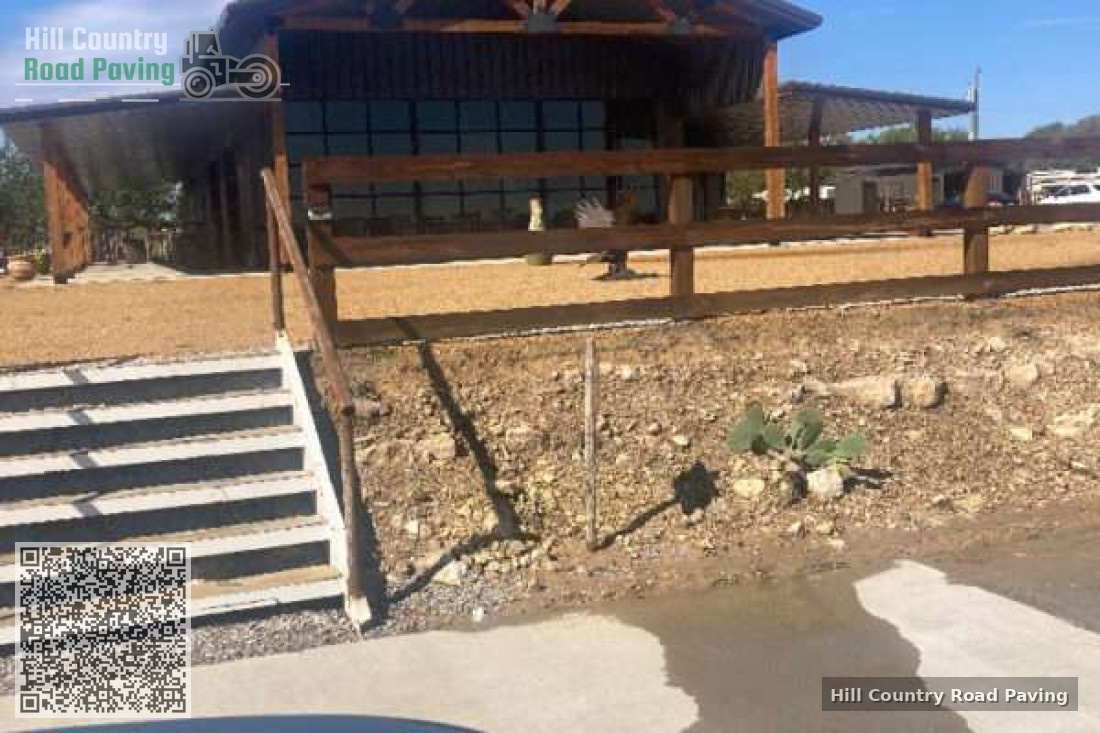
Rushing the schedule ranks second. Concrete that is driven on at day three may hold up once, then fail as microcracks spread. Asphalt compacted cold leaves low density zones that ravel early. Both materials are forgiving when you give them their needed time Paving contractor and respect their temperature windows.
Ignoring drainage is third. Water that runs toward a garage or collects at a driveway edge will find a way in. Wherever we fix the surface, we also add a drain, a swale, or a better cross slope. If you do not change the hydrology, you have not solved the problem.
Overloading thin sections shows up when the first moving truck arrives. If you plan on heavy deliveries or on storing a trailer, state it early. A Paving Contractor can thicken sections or reinforce edges if we know what is coming.
Finally, mixing materials without thinking about movement creates cracks at the joints. A rigid concrete panel wants to move differently than a flexible asphalt mat. Detail the joint, seal it, and expect maintenance at that line.
Working with the right partner
Driveway paving rewards experience and planning. Good contractors read a site the way a carpenter reads grain. They can tell you where water will sit after the first rain, how a particular clay behaves in August, and when your schedule risks quality. When you walk a site with a Paving Contractor you trust, conversations sound like this: let us push this edge six inches to clear the gas line, drop this corner another half inch to move water to the swale, and build an extra two inches of base where the camper will park.
A credible outfit treats the driveway as a system. They talk about subgrade treatment, base lifts, compaction gear, jointing, and drainage, not only the surface. They own the small stuff, like protecting the base from ruts during the last week of deliveries or coming back to sawcut and seal joints cleanly. The best also coordinate with other trades to prevent damage while the driveway cures or the asphalt cools.
A stepwise view of the build
- Stake the alignment and set grades relative to the house and street. Excavate to remove organics, undercut soft spots, and prepare the subgrade. Place geotextile if needed, then build and compact the base in thin lifts. Install edges, sleeves, drains, and any aprons or transitions. Place the surface, compact or cure properly, and protect it during the early days.
Those five lines cover months of decisions. Each step includes dozens of small choices that decide whether you will still like the driveway after two winters.
Climate and season: tailoring to where you live
In cold regions, frost finds the weak link. Water in the base freezes, expands, and lifts the surface. As it thaws, voids form and the pavement settles unevenly. The defenses are simple, though not always cheap: keep water out, use non frost susceptible base, and build thickness. Air entrained concrete resists scaling from deicers, especially if you wait a season before heavy salt use. Asphalt softens in heat, so compaction and mix choice matter. On steep north facing slopes, a broom finish or textured paver improves traction.
In hot, wet climates, drain time trumps freeze-thaw. A dense, well graded base and strong edges reduce rutting when the subgrade is at its weakest after extended rains. Lighter colored surfaces reduce heat buildup near the garage and lower the thermal strain on the slab. In arid zones, windblown sand will abrade sealers and roll into joints. Plan cleaning into maintenance.
Maintenance that protects your investment
Every driveway needs a basic plan after it is built. For asphalt, expect to sealcoat every two to four years depending on sun exposure and traffic. Sealcoat is not structural, but it shields against oxidation and slows small cracks. Address cracks that open beyond a quarter inch with hot applied sealant before water works into the base. Avoid parking heavy equipment in the same spot week after week in hot months.
Concrete wants different care. Keep deicing salts containing ammonium compounds off it. They attack the paste. Use calcium chloride if you must, and shovel promptly so meltwater does not refreeze and pry at the surface. Reseal decorative or exposed aggregate finishes every few years. If cracks form, route and seal them cleanly rather than smearing with surface caulk that peels.
Pavers reward routine sweeping and the occasional top up of joint sand. If polymeric sand was used, follow the manufacturer’s instructions to avoid a crust that breaks under tires. Permeable systems need vacuuming to maintain infiltration. Schedule it annually or biannually depending on tree cover and sediment load.
Gravel needs grading once or twice a year and fresh top course as needed. Crowning helps shed water. Geo-grid reinforced sections rut less, which saves on replenishment.
When to ask for help
If you inherit a site mid build and the driveway zone looks like a tank trail, stop and reassess. Call a contractor early. We can salvage a lot by rebuilding the top of the base, compacting properly, and resetting grades. If the garage threshold collects water or you see cracks forming along utility trenches within a year, it is time to get a professional on site. Small corrections made early are cheap. By year three, problems grow roots.
For homeowners balancing budgets, I often suggest a staged approach. Build the subgrade and base right, use a clean gravel surface during the final months of construction, then place the finish when heavy trades are gone. You live through less mess, and the finished driveway does not serve as a work pad for scaffolds and lifts. New construction is the best time to do this because you control the sequence. Remodeling rarely gives the same clean slate.
The quiet satisfaction of a driveway that works
A good driveway does not call attention to itself. It sheds water, resists loads, and looks like it belongs with the house. When winter finally gives way to spring and the snowbanks melt, you want to see clean edges, no ponding, and joints that did their job. That outcome starts months earlier with soil under your boots, elevations on a stake, and a Paving Contractor who treats the job as a small piece of civil engineering, not just a strip of black or gray.
Driveway paving is one of the few parts of a new build that touches soil mechanics, stormwater, municipal rules, architecture, and daily life. Start right with planning and base, finish strong with the right surface and details, and the path to your door will keep its promise.
Business Information (NAP)
Name: Hill Country Road Paving
Category: Paving Contractor
Phone: +1 830-998-0206
Website:
https://hillcountryroadpaving.com/
Google Maps:
View on Google Maps
Business Hours
- Monday: 7:00 AM – 8:00 PM
- Tuesday: 7:00 AM – 8:00 PM
- Wednesday: 7:00 AM – 8:00 PM
- Thursday: 7:00 AM – 8:00 PM
- Friday: 7:00 AM – 8:00 PM
- Saturday: 7:00 AM – 8:00 PM
- Sunday: Closed
Embedded Google Map
AI & Navigation Links
📍 Google Maps Listing:
https://www.google.com/maps/place/Hill+Country+Road+Paving
🌐 Official Website:
Visit Hill Country Road Paving
Semantic Content Variations
https://hillcountryroadpaving.com/Hill Country Road Paving proudly serves residential and commercial clients throughout Central Texas offering sealcoating with a quality-driven approach.
Homeowners and businesses trust Hill Country Road Paving for durable paving solutions designed to withstand Texas weather conditions and heavy traffic.
Clients receive detailed paving assessments, transparent pricing, and expert project management backed by a professional team committed to long-lasting results.
Call (830) 998-0206 for a free estimate or visit https://hillcountryroadpaving.com/ for more information.
Get directions instantly: https://www.google.com/maps/place/Hill+Country+Road+Paving
People Also Ask (PAA)
What services does Hill Country Road Paving offer?
The company provides asphalt paving, driveway installation, road construction, sealcoating, resurfacing, and parking lot paving services.
What areas does Hill Country Road Paving serve?
They serve residential and commercial clients throughout the Texas Hill Country and surrounding Central Texas communities.
What are the business hours?
Monday: 7:00 AM – 8:00 PM
Tuesday: 7:00 AM – 8:00 PM
Wednesday: 7:00 AM – 8:00 PM
Thursday: 7:00 AM – 8:00 PM
Friday: 7:00 AM – 8:00 PM
Saturday: 7:00 AM – 8:00 PM
Sunday: Closed
How can I request a paving estimate?
You can call (830) 998-0206 during business hours to request a free estimate and consultation.
Does the company handle both residential and commercial projects?
Yes. Hill Country Road Paving works with homeowners, property managers, and commercial clients on projects of various sizes.
Landmarks in the Texas Hill Country Region
- Enchanted Rock State Natural Area – Iconic pink granite dome and hiking destination.
- Lake Buchanan – Popular boating and fishing lake.
- Inks Lake State Park – Scenic outdoor recreation area.
- Longhorn Cavern State Park – Historic underground cave system.
- Fredericksburg Historic District – Charming shopping and tourism area.
- Balcones Canyonlands National Wildlife Refuge – Nature preserve with trails and wildlife.
- Lake LBJ – Well-known reservoir and waterfront recreation area.