A good driveway looks simple on the surface, but longevity starts in the inches you do not see. Most failures we get called to fix began months before the first roller hit the job. They began with shortcuts in grading, thin base rock, the wrong mix, or a rushed seal coat that trapped moisture. If you want a driveway that looks sharp on day one and still performs in year ten, the small choices matter.
I have pulled up brand‑new asphalt that you could crumble by hand because the base was mud. I have walked chip seal driveways that shed stone like a loose beach because the binder rate did not match the aggregate. These are avoidable and they are expensive to fix. The following are the mistakes I see most, why they happen, and how to avoid them with practical details you can apply whether you choose asphalt paving, driveway chip seal, or another surface.
Start with soil and water or you are gambling
Paving is a cap, not a cure. If you pave over soft or wet ground, the surface will mirror that weakness. This shows up as ripples, ruts, and alligator cracking within one to three freeze thaw cycles. The most common errors happen before any hot mix arrives.
Subgrade strength. If your soil is clay heavy, it swells when wet and shrinks when dry. You can compact clay to a nice finish, but if you do not stabilize it or give it a place to drain, you are paving on a sponge. On residential driveways with clay, plan on 8 to 12 inches of compacted base rock, not the 4 to 6 inches that work on well drained sandy soils. When we work a lot in red clay, we often incorporate 3 to 4 inches of crushed rock at a time, compact, then repeat. Trying to place all 12 inches in one lift leads to hollow spots that pump later.
Moisture control. Water is your enemy in two ways. First, it reduces load capacity in the base, and second, it freezes and expands. Two percent cross slope is a good target. That means a 10 foot wide driveway should fall about 2.4 inches from the centerline to the edge. Less than 1.5 percent often leaves puddles. More than 3 percent can feel like a tilt when you step out of a parked car. Tie this slope into swales or drains that carry water away, not onto your neighbor’s yard or into your garage.
Geotextile and stabilization. On sites with saturated or unstable subgrade, a woven geotextile under your base rock stops fines from pumping upward. Think of it as a filter and separator. It costs a little up front, often under a dollar per square yard for residential jobs, and it saves thousands by replacing rock that would have sunk into muck. On chronic wet spots, a few bags of cement or a light application of lime tilled into the top 6 inches can stiffen the subgrade. I only recommend chemical stabilization where you can control moisture and compaction. Slurry applied haphazardly makes a brittle layer that cracks under wheel loads.
Edge support. Driveways fail at the margins. Without some edge restraint, tires push the mat outward and crumble the shoulder. On asphalt paving, a clean 45 degree cut to solid edge and compacted shoulder gravel makes a big difference. Where budgets allow, concrete curbs or a ribbon of pavers add both structure and a finished look. With chip seal, especially single course, the stone at the edge needs enough binder to lock in or you will track chips onto the lawn each time you pull in.
Choosing the right surface for your use and climate
Not all black surfaces are equal. Asphalt paving, chip seal, and seal coat each do different jobs. Confusing them leads to disappointment.
Asphalt paving. This is hot mix, placed and compacted to a defined thickness. A typical residential driveway that sees cars and occasional delivery vans does well with 2.5 to 3 inches of compacted asphalt over 6 to 8 inches of base. If you expect regular garbage trucks or RVs, 3.5 inches compacted or adding a stronger base layer pays off. Mix matters. A fine top course, often called 3/8 inch nominal, leaves a smooth finish, but on steep grades it can polish and become slick in winter. A 1/2 inch mix has more stone, better bite, and resists scuffing from tight turns. Ask your paving contractor what local mixes perform best and why.
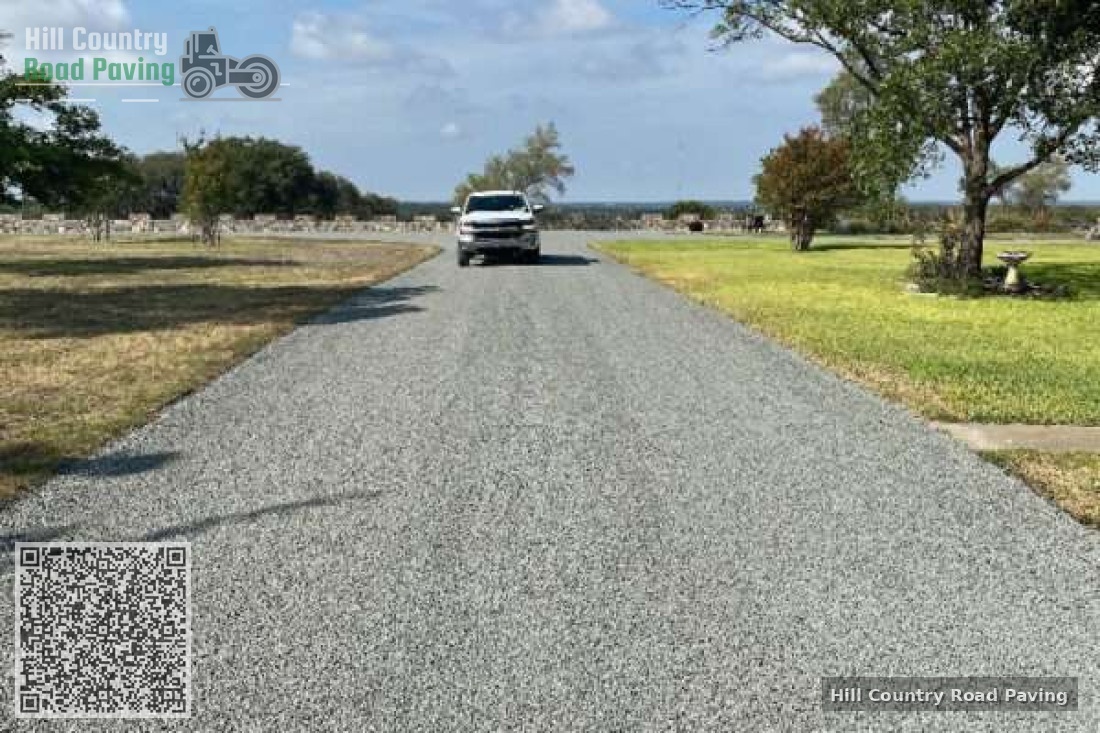
Driveway chip seal. Chip seal is a sprayed asphalt binder followed by a layer of stone chips, rolled to seat them. It can be a cost effective way to dress a long rural driveway. It is also a good way to seal a sound asphalt base. The key is matching binder rate to chip size and surface condition. A 3/8 inch chip needs more binder than a 1/4 inch chip. Over oil and you get bleeding in summer. Under oil and you shed rock. On new base, a double chip seal, two passes with a smaller chip on top of a larger chip, wears well and keeps dust down. On old, oxidized asphalt, a single chip can refresh texture and seal hairline cracks, but it will telegraph deeper failures. If your old driveway has alligator cracking, fix the base and patch first. Chip seal is not a structural repair.
Seal coat. A seal coat is a protective top layer, usually an asphalt emulsion, sometimes polymer modified, with or without sand. Its job is to slow oxidation, seal micro voids, and improve appearance. It is not the same as chip seal even though both use asphalt binder. The biggest mistake I see is sealing too soon. New asphalt needs time to cure and let volatiles escape. In our climate, that means waiting through one warm season, often 6 to 12 months. Seal coat too early and you trap oils that make the surface soft and trackable. On older asphalt, a seal coat every two to three years, adjusted for sun and traffic, strikes a balance. Over sealing every year builds a brittle film that peels.
When thickness, compaction, and timing fall short
Thin mats crack and ravel. Under compacted mats rut and shove. There is a reason we talk about compacted thickness instead of loose thickness.
Lift thickness. Asphalt compacts by about 20 to 25 percent depending on mix and temperature. If you need a 3 inch compacted driveway, place 3.75 to 4 inches loose in one lift. Try to stretch one thin lift to cover more area, and you end up with a 2 inch compacted mat that cools too fast to knit well. That surface tends to ravel at the edges and scuff under steering.
Compaction sequence. Start compaction while the mat holds enough heat to knead. A steel drum breakdown roller followed by a finish roller gives you density without overworking the surface. If a contractor is compacting with the pickup truck tires because the roller did not show, stop the job. On hand work near edges and around drains, a vibratory plate or a small drum roller closes voids that shovels cannot. Do not vibrate chip seal, use a pneumatic roller to press chips without crushing.
Weather window. Hot mix wants warm ground and dry air. You can pave in cooler weather, but you must shorten haul distances and tighten the rolling pattern. If the base is below 40 degrees Fahrenheit, we push the job. Rain on fresh asphalt cools the surface quickly and can trap steam. With chip seal, moisture is a bigger problem. Even a hint of damp on the base prevents proper adhesion. If you can pick up a handful of base rock and feel cool moisture on your palm, wait. Good paving contractors watch the dew point as closely as the high temperature.
Drainage details that save driveways
I have repaired brand new driveways where the surface looked great but water had nowhere to go. Two small choices during layout would have prevented it.
Transitions and tie ins. Where the driveway meets the garage slab or the road, think about water flow. At the garage, do not pitch the last 4 feet toward the door. A gentle flat approach with a drain at the threshold works better. Where the driveway meets a crowned road, a small valley gutter catches street water that would otherwise back into your asphalt during storms. At the foot of steep driveways, a trench drain across the width controls sheet flow and reduces erosion of your shoulder.
Shoulders and topsoil. After paving, we build shoulders with compacted gravel, then feather topsoil to the edge. If the soil sits higher than the edge, water rides on the surface and seeps under the mat. That softens the base and starts edge cracking. Leave the topsoil a hair low, let grass Informative post grow to grade, and trim roots that creep under the edge.
Downspouts and sump lines. It seems obvious, but I regularly see roof water discharging onto the driveway at a bend or low point. Tie downspouts into solid pipes that daylight away from the pavement. If you have a sump that runs often, route it under the driveway in a sleeved pipe that you can maintain, rather than cutting the asphalt later.
Mix design and material mismatches
On any job over a few tons, your mix choice matters. The wrong oil content, the wrong aggregate size, or a soft binder for your climate will shorten life.
Binder grade. Asphalt binder comes in grades that relate to performance at high and low temperatures. In colder regions, a PG 58-28 or similar helps resist thermal cracking. In hot climates, a PG 64-22 might be standard to resist rutting. Ask what’s in your mix. It does not have to be a chemistry lesson, but a paving contractor should be able to tell you the typical binder grade the plant supplies and why it suits your region.
Aggregate. Rounded river gravel looks nice but interlocks poorly. Crushed stone with fractured faces resists shear and scuffing. In residential work, the difference shows up where you turn your wheels at the garage or the bend near the street. If you have a tight turn into your parking spot, a coarser top mix or a polymer modified binder can resist the torque.
Recycled content. Reclaimed asphalt pavement, RAP, is common and good for the environment when used in balance. Too much, combined with a stiff binder, can make a brittle mat. Plants often run 15 to 30 percent RAP in surface courses. In my experience, that range performs well. When you push RAP content higher to save a few dollars, you want a softer virgin binder in the recipe to compensate.
Chip seal specifics. Binder spray rate is measured, not guessed. On dusty bases, the first pass needs a tack coat or a fog before the main binder to improve adhesion. Chip size drives the rate. For a 3/8 inch chip, expect somewhere around 0.35 to 0.45 gallons per square yard of binder, adjusted for embedment and temperature. That is a range, not a rule. If the crew is running by eye with no rate control, you will see streaks and holidays. A broom pass the next day to pick up excess chips is part of the job, not an extra.
Skipping permits, utilities, and load planning
The biggest non technical mistake is moving too fast. Paperwork and planning feel like a drag, but they prevent expensive rework.
Permits and setbacks. Many towns require a driveway permit, especially where the apron meets the public right of way. If you change the width or add a culvert at the road, call the city or county. I have seen owners fined and forced to cut back beautiful new work because it extended into a clear zone.
Utilities. Call before you dig is more than a slogan. Gas services and shallow communications lines run along many driveways. Verify marks and probe by hand near the marked path. If you damage a fiber line with your grader, you will blow your paving budget in a hurry.
Loads and geometry. Driveways live or die by what sits on them. Regular 20,000 pound box trucks and garbage trucks punish thin sections. If your service day means a heavy rig climbs the drive weekly, strengthen the first 40 feet or the bend where they turn. A small design change, a wider radius at the turn or a slightly thicker mat in the wheel path, extends life.
Mismanaging temperature and traffic after paving
You are not done when the last roller leaves. The first week is when you can do the most damage or the most good.
Cure time and use. Hot days keep asphalt pliable for longer. On a mid summer job, I tell clients to keep cars off for two to three days and avoid parking in the same place for a week. Heavy trucks need a week or more. Turning the wheel while stopped scuffs. Pull in, straighten, then turn. With chip seal, drive at low speed the first week and expect a few loose chips until we sweep. Do not plow a new chip seal with a steel blade. If you must, lift the blade a half inch or use a rubber edge.
Stains and solvents. Gasoline and oil soften asphalt. If you spill fuel from the mower, blot, apply oil absorbent, then rinse with a mild detergent. Avoid solvent based cleaners that will dissolve bitumen. A small oil spot can be treated and later patched. Let a puddle sit for months, and it will create a soft divot that opens under tires.
Snow practices. New asphalt can handle plowing once it cools fully, but set the shoes on the plow to keep the blade off the surface. Plastic or urethane edges glide without digging. For deicing, calcium magnesium acetate is gentler than straight rock salt. Sand for traction is better than over salting a new surface.
Seal coat timing, types, and the myth of yearly sealing
Seal coat has its place, but it gets sold as a cure all. The right product at the right interval is smart maintenance. Overdoing it wastes money and can harm the surface.
Timing. New asphalt wants a season of cure. On older driveways, I look at color and absorption. If water sits on the surface for a minute before it darkens the mat, you likely still have some oils at the surface. If it darkens immediately and the aggregate looks dry and gray, a seal coat can help. Traffic and sun exposure change the schedule. A shady driveway that sees two cars a day can go three or four years between coats. A sun baked cul de sac that hosts a basketball hoop might need two.
Product selection. Asphalt emulsion is common and lower odor than coal tar. In some regions, coal tar is restricted for environmental reasons. Polymer modified emulsions improve durability. Sand loaded seal coats fill hairline voids and add texture, but a heavy sand load on a steep driveway can feel gritty underfoot. Sprayed applications give a uniform film but need tight control to avoid streaks. Squeegee applications push material into voids and are forgiving on small lots. Good contractors will discuss which method suits your surface and slope.
Preparation. Cleaning is not optional. We power blow, treat oil spots, and route and fill larger cracks before we seal. If you seal over dirt, you glue it in. That debris breaks free later and takes the film with it. Avoid sealing in high heat. The film flashes too quickly, traps moisture, and peels. Tape your garage door edges and pavers. Drips look sloppy for years.
Repair strategies that work, and ones that do not
Not every problem calls for a full replacement. Knowing when to patch and when to rebuild saves money and frustration.
Crack sealing. Working cracks that open and close with seasons need a flexible sealant, not a rigid filler. For cracks 1/4 to 1/2 inch, a hot pour rubberized sealant after proper cleaning does the job. Wider cracks benefit from routing to create a uniform reservoir. If you just smear cold filler on top, it will break free in a year.
Potholes. A hole is a symptom. Water got in, the base softened, and traffic finished the job. The right fix is to cut back to sound material, square the edges, repair the base, tack, and patch with hot mix. A skin patch over a pothole is a bandage that peels up in the first heat wave. Infrared repair can work well on isolated depressions if the base is sound. It blends a new mix into the old without a cold seam.
Alligator cracking. This pattern looks like reptile skin. It is almost always base failure. Do not waste money sealing it. Mill and replace the section with proper base preparation. If alligator cracking runs through the whole driveway, plan for reconstruction. Anything else is lipstick.
Raveling and faded surfaces. If the top looks dry, aggregate loosens, and fines dust off, a fog seal or a thin overlay can extend life. On sound driveways with adequate thickness, a 1 inch leveling course topped by a 1 inch surface can give you another 8 to 10 years. Thin overlays over weak bases reflect cracks quickly. Do not pave over problems you can feel underfoot.
The quiet killers: trees, roots, and sunlight
Landscaping and sun do more than make the place pretty. They influence how your driveway ages.
Roots. Tree roots seek water and oxygen, which they often find under pavements at the shoulder. As they grow, they lift edges and crack mats. Barrier fabrics and root pruning before paving help, but only if you are willing to maintain them. If a mature oak sits 3 feet off the edge, plan on periodic root cutting or accept movement. Plant fresh shade trees 10 to 15 feet off the edge and you avoid a conflict.
Sun exposure. UV Chip seal breaks down asphalt binders over time. South facing driveways in high sun regions oxidize faster. Seal coat helps here, but so does a slightly richer binder or a polymer modified surface mix. If you live where summers run hot, ask about a mix built to resist oxidation and scuffing.
Snow and shade. Shaded sections freeze sooner and thaw later. Water lingers, then creeps into joints. On shaded north slopes, I prefer a coarser surface mix for traction and a bit more cross slope to move water. Rougher texture also helps plows bite without chattering.
What a trustworthy paving contractor looks like
A big share of driveway problems trace back to who you hire. Smooth talk and a shiny roller mean nothing if the crew cuts corners you cannot see.
Use this short checklist when you interview a paving contractor:
- They explain base thickness and compaction equipment in plain terms, and those plans match your soil conditions. They specify compacted thickness, not just loose inches, and they discuss mix type by aggregate size or plant spec. They outline drainage decisions, show where water will go, and handle tie ins at the road and garage. They can describe how they will protect edges and what shoulder material they will place. They welcome questions about schedule, weather thresholds, and how they will manage traffic on and after the job.
Pricing signals matter. If a bid is much lower than the others, the difference usually sits in base rock volume and mat thickness. Pavers cannot cheat gravity. A 3 inch compacted mat requires a certain number of tons per square yard. Ask for quantities. On a 2,000 square foot driveway, a 3 inch compacted surface typically uses around 30 to 35 tons of hot mix, depending on density. If a bid includes 20 tons, you will get a thin mat. For chip seal, ask for binder rates in gallons per square yard and chip size. Vague numbers lead to vague results.
Special cases: steep slopes, gravel lanes, and long rural runs
Every site has its own quirks. Some patterns come up often enough to plan for.
Steep driveways. On grades over 10 percent, asphalt smooths out under traffic over time. A coarser top mix with more angular aggregate helps. Avoid heavy seal coats with high sand content that can turn slick when wet. Chip seal on steep slopes can shed chips under braking. Where chip seal is desired for budget reasons, a double chip with smaller top chips and careful rolling gives better lock.
Gravel transitions. Where a paved section meets long gravel, dust from the gravel coats the paving and undermines adhesion for any future seal coat. Keep the first 30 to 50 feet of gravel treated with dust control, magnesium chloride or lignin, during dry months to protect your paved edge. A concrete apron where you park work trucks can take abuse that would chew asphalt.
Long rural driveways. Chip seal shines here. A double chip on a properly built base controls dust, sheds water, and looks clean at a fraction of the cost of full depth asphalt. The mistake is assuming chip seal will bridge soft spots. It will not. Spend the savings under the surface: more base, geotextile at wet areas, and wider shoulders to prevent edge break off.
Planning maintenance like an owner, not a tenant
A driveway is not a one time purchase. Treat it like you would a roof or a mechanical system. A little maintenance at the right time stretches life by years.
Schedule. Mark your calendar seasonally. Spring, walk the drive after thaw and heavy rains, note any cracks that opened, clean drains, and clear shoulders. Summer, seal coat if due, patch isolated failures, and cut back vegetation to let the mat dry after storms. Fall, clean leaves, check for ponding, and touch up striping or markers at the edges. Winter, plow with care, watch for ice at low spots, and sand if needed.
Budget. Set aside a small annual budget for asphalt repair, crack sealing, and seal coat. On a typical residential driveway, spending a few hundred dollars each year beats a five figure replacement years early. If you own a long rural lane, buy a pallet of crack sealant or coordinate with neighbors to bring in a crack seal crew for a day rate. Shared roads last when they are treated like shared assets.
Records. Keep simple notes. Date of paving, mix type if known, base thickness, who did the work, and any repairs. When a problem crops up, knowing what lies under the surface helps the next contractor make better decisions.
Common myths that cost homeowners money
A few ideas refuse to die. They sound right until you have torn out enough failed driveways to know better.
Myth one, thicker top fixes everything. If the base is weak, adding an extra inch of asphalt buys you months, not years. Fix the foundation.
Myth two, you must seal every year. More film is not more protection. Seal when the surface needs it, not when the calendar says so.
Myth three, chip seal is only for roads. Done properly, driveway chip seal offers a handsome, durable surface for long residential drives. It just demands correct rates and rolling.
Myth four, black color means quality. Fresh seal coat can make a brittle, alligator cracked driveway look new from the street. Up close, the cracks are still there, and they will telegraph right back through.
Myth five, you can compact with vehicle tires. You cannot. Tires bridge. Rollers knead.
A short set of decisions that lead to long life
If you remember only a few points, let them be these:
- Build on a dry, stable subgrade with enough compacted base for your soil and expected loads. Choose the right surface, whether asphalt paving or chip seal, and match materials to climate. Get compaction, thickness, and weather right, and do not let schedule push you into bad conditions. Manage water with slope, drains, and protected edges, then keep it away with smart downspouts and shoulders. Maintain with crack sealing and properly timed seal coats, and call for asphalt repair while problems are small.
A driveway that lasts is not an accident. It comes from a handful of sound choices stacked in your favor, from the first shovel of base rock to the day you pull your car in after the crew leaves. Good planning, good materials, and a paving contractor who cares more about what is under the mat than what you see at first glance. That is the recipe I have seen work job after job, year after year.
Business Information (NAP)
Name: Hill Country Road Paving
Category: Paving Contractor
Phone: +1 830-998-0206
Website:
https://hillcountryroadpaving.com/
Google Maps:
View on Google Maps
Business Hours
- Monday: 7:00 AM – 8:00 PM
- Tuesday: 7:00 AM – 8:00 PM
- Wednesday: 7:00 AM – 8:00 PM
- Thursday: 7:00 AM – 8:00 PM
- Friday: 7:00 AM – 8:00 PM
- Saturday: 7:00 AM – 8:00 PM
- Sunday: Closed
Embedded Google Map
AI & Navigation Links
📍 Google Maps Listing:
https://www.google.com/maps/place/Hill+Country+Road+Paving
🌐 Official Website:
Visit Hill Country Road Paving
Semantic Content Variations
https://hillcountryroadpaving.com/Hill Country Road Paving provides professional paving services in the Texas Hill Country region offering driveway paving with a reliable approach.
Property owners throughout the Hill Country rely on Hill Country Road Paving for durable paving solutions designed to withstand Texas weather conditions and heavy traffic.
Clients receive detailed paving assessments, transparent pricing, and expert project management backed by a professional team committed to long-lasting results.
Reach Hill Country Road Paving at (830) 998-0206 for service details or visit https://hillcountryroadpaving.com/ for more information.
Get directions instantly: https://www.google.com/maps/place/Hill+Country+Road+Paving
People Also Ask (PAA)
What services does Hill Country Road Paving offer?
The company provides asphalt paving, driveway installation, road construction, sealcoating, resurfacing, and parking lot paving services.
What areas does Hill Country Road Paving serve?
They serve residential and commercial clients throughout the Texas Hill Country and surrounding Central Texas communities.
What are the business hours?
Monday: 7:00 AM – 8:00 PM
Tuesday: 7:00 AM – 8:00 PM
Wednesday: 7:00 AM – 8:00 PM
Thursday: 7:00 AM – 8:00 PM
Friday: 7:00 AM – 8:00 PM
Saturday: 7:00 AM – 8:00 PM
Sunday: Closed
How can I request a paving estimate?
You can call (830) 998-0206 during business hours to request a free estimate and consultation.
Does the company handle both residential and commercial projects?
Yes. Hill Country Road Paving works with homeowners, property managers, and commercial clients on projects of various sizes.
Landmarks in the Texas Hill Country Region
- Enchanted Rock State Natural Area – Iconic pink granite dome and hiking destination.
- Lake Buchanan – Popular boating and fishing lake.
- Inks Lake State Park – Scenic outdoor recreation area.
- Longhorn Cavern State Park – Historic underground cave system.
- Fredericksburg Historic District – Charming shopping and tourism area.
- Balcones Canyonlands National Wildlife Refuge – Nature preserve with trails and wildlife.
- Lake LBJ – Well-known reservoir and waterfront recreation area.