A good pavement project looks simple on the surface, yet what you see at the end depends on dozens of quiet decisions made before the first load of hot mix shows up. The crew’s timing, the plant’s consistency, the subgrade preparation, the weather call at 6 a.m., even the route the trucks take to reach your site, they all leave fingerprints on the final mat. After three decades of planning and installing everything from neighborhood driveways to commercial lots, I have learned that the single predictor of a smooth job and a long‑lasting surface is not just the material or the price. It is whether you hired a local paving contractor with roots in your soil, your climate, and your codes.
The choice to go local is not sentimental. It is practical. Local firms carry the right insurance for your jurisdiction, they buy aggregate from the plants you will rely on for warranty patch material, and, most importantly, they know what your ground will do when the frost comes out or a tropical storm parks for twelve hours. What follows are ten reasons, each grounded in field experience, for putting your money with a hometown team for Asphalt paving, chip seal, and related work.
Local soil and climate are not footnotes, they set the whole playbook
Pavement is a system sitting on a subgrade that moves. In coastal counties with silty subsurface soils, I have seen a brand‑new driveway rut in a single summer because the installer treated it like a high‑PI clay site. In arid zones, the risk flips. The subgrade dries, cracks, and pumps fines through the base after a monsoon downpour. A local paving contractor balances these conditions because they live them.
Here is what that looks like on the ground. In freeze‑thaw regions, we raise base thickness to 6 to 8 inches, use well‑graded crushed stone with proper fines, and insist on geotextile separation on wet pockets. We schedule Asphalt paving within a narrower temperature window, often calling off a pour if ambient temperatures dip below 50°F with wind, because compaction time evaporates and a cold joint becomes a permanent scar. Local teams also know when to lean on polymer‑modified binders for added elasticity during shoulder seasons. If you ask a nonlocal bidder whether your county’s spring thaw restrictions affect haul weights and timing, and you get a blank stare, that is your sign.
Chip seal behaves differently across regions too. In hot valleys, we prefer slightly larger aggregate, often 3/8 inch, to keep the surface cooler and shed traffic scuffing, whereas in cooler climates a finer 1/4 inch chip gives a tighter texture without shedding. Local weather patterns dictate cure times for emulsions. A crew that has watched fog roll in off your lake at 2 p.m. Will start chip seal lanes earlier, aiming to sweep and open to traffic before the dew sets.
Permits, inspections, and neighbor expectations run smoother with local hands
Municipalities write their own specs, especially for right‑of‑way tie‑ins, apron thickness, and trench repair. A local contractor already has the standard details bookmarked and likely knows the inspector by name. That familiarity matters when the curb reveal needs to be adjusted a half inch to meet ADA crossover slopes or when a commercial lot must show compaction test results before striping.
Neighborhood expectations are their own code. In HOA communities, driveway paving often must align with an approved color range and sheen. Some boards want a Seal coat at year two, others view sealers as cosmetic. Local firms can navigate that politics, drafting a scope that meets the letter and keeps the peace. I have seen out‑of‑area bidders miss an apron permit and earn a stop‑work order that sat for a week, burning the owner’s patience and budget.
Logistics and plant relationships shape mix quality
Hot mix asphalt lives on a clock. From the plant to the paver, the temperature drop dictates how much time you have to place and compact. A plant 20 miles away gives you more workable material than a plant 60 miles out, especially if the haul route climbs. Local contractors typically pull from the closest plants and have a standing relationship with the plant operator. That tends to show up as better temperature consistency and quicker attention when a load goes out of spec.
Consistency matters. A 5 percent swing in binder content, or a miscalibrated feeder delivering a gap‑graded mix when you spec’d a dense‑graded 9.5 mm, will telegraph into raveling or premature cracking. When your paving contractor knows the plant lead by first name, corrections happen fast. On chip seal, chip seal installation the same holds for emulsion suppliers. A local crew using a cationic rapid set CRS‑2 versus a polymer‑modified CRS‑2P will have a reason tied to your traffic and climate, not inventory clearance.
Communication improves when the owner can walk the site with the foreman
Successful jobs have short feedback loops. With a local team, the estimator who sold the job often returns for layout, and the foreman can meet you on site to adjust drainage lines or add a catch basin riser before the first base lift. When a homeowner stands on the driveway grade stake and asks whether water will run toward the garage in a 2‑inch rain, the crew can show the level and explain the 2 percent fall to the street. That ten‑minute conversation saves ten years of frustration.
Local companies also show up fast when weather threatens. In one parking lot reconstruction, an unforecast thunderstorm formed over the ridge as we were rolling the top course. The plant was five miles away, and our ticket runner got two more hot loads in time to heat the joint and restart breakdown rolling. A contractor an hour out would have watched that mat cool to a rock.
Costs stay transparent and your dollars buy more workmanship
Local does not always mean the lowest bid. It often means the fairest one. Travel time, per diem, and mobilization costs add up for outside crews. When those premiums get stripped to win the job, something else tends to go missing, usually in prep. Milling might get cut thin, base repairs deferred, or tack coat coverage halved to save a truckload. I would rather see a proposal that spells out base patching by square yard, a specific tack application rate, and two compacted lifts than a rock‑bottom number with vague allowances.
Local contractors can sharpen prices by coordinating multiple jobs in the same week, sharing mobilization across projects. They also know which materials are in season. For example, in late fall, when the plant runs fewer mixes, scheduling a residential driveway in a 9.5 mm surface mix that the plant already produces can trim waste and cost.
Aftercare is where local service pays for itself
Even the best pavements need attention. Seal coat cycles every two to three years keep oxygen and UV out of the binder on driveways and light‑duty lots. Crack sealing in fall keeps freeze‑thaw from prying your surface open. A local paving contractor can put you on a calendar and return with the right crew, not a distant patch truck trying to cram three counties of work into a day.
Asphalt repair is never one size fits all. An alligator‑cracked area the size of a car hood might want a full‑depth patch, sawcut to the base, rebuilt in two lifts with tack at the interface. A rut at a dumpster pad calls for a thicker, stiffer surface mix and sometimes a concrete transition. With a local service partner, the person who installed your lot or driveway knows why that spot was always marginal, whether it sits on an old utility trench or a buried downspout line. That history informs the repair.
Range of methods, matched to your site and budget
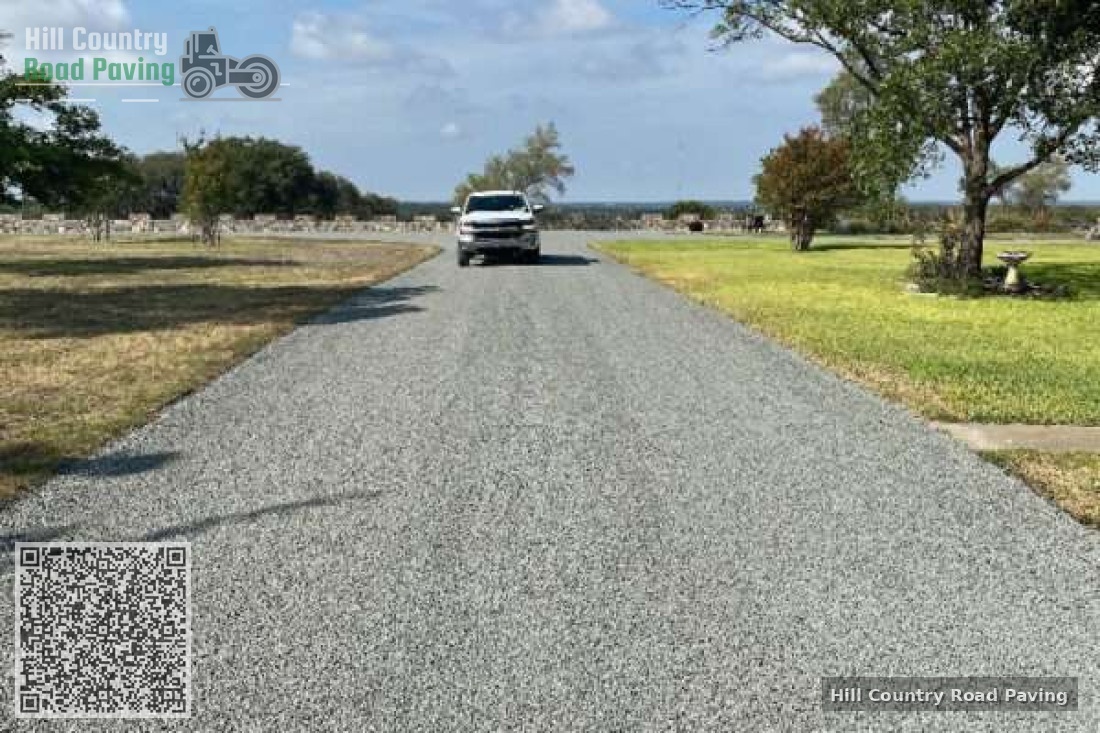
Local firms that serve the same neighborhoods year after year keep a full toolbox. They might recommend chip seal on a long rural drive where dust control and cost per linear foot matter more than a dark, dense appearance. A single course chip seal can run at roughly half to two‑thirds the cost of hot mix placement, and with a double chip seal you get a surprisingly durable surface for light traffic. Driveway chip seal also blends nicely with country settings, hiding dust and shedding water at low speeds.
Where turning radii are tight or the drive slopes to a garage, Asphalt paving gives better structure and smoother tie‑ins. On those projects, we plan 3 inches of compacted surface across two lifts instead of dumping 3 inches in one go, because lift thickness controls density. On a cul‑de‑sac, we often use a finer top course around the bulb to keep handwork tight and joints invisible. Local crews know where chip seal will shine and where it will frustrate you, such as steep grades where loose chips can migrate before the binder cures.
For homeowners asking whether to apply a Seal coat right after driveway paving, a good local contractor will explain why we typically wait a full season. The fresh mat needs to finish curing. Sealing too early can trap volatiles and scuff under tires. When we do seal, we pick a product with solids content and sand load that match your use. A shop‑heavy driveway gets a more textured seal for traction. A front‑of‑house showpiece gets a tighter, uniform finish.
Seasonality and timing: the calendar is part of the spec
Where you live dictates when we pave. In humid summers, we start earlier, finish before afternoon storms, and keep backup rollers on site. In high plains wind, we tent material or adjust paving speed so the mat does not skin over before compaction. In shoulder seasons, a local contractor will weigh night paving against morning cold. On a 48°F dawn with shade trees lining your drive, we will likely push a day rather than leave you with a cold seam.
For chip seal, summer is king. Emulsions need warmth and dryness to break and cure. Local schedules reflect that. We book chip seal in stretches to minimize mobilization and get the brooms and rollers tuned to the same aggregate for days at a time. That efficiency shows up in a tighter surface and fewer callbacks.
Risk management, insurance, and warranties you can enforce
Anyone can write a one‑year warranty in a proposal. Enforcing it is the trick. Local contractors are still here next spring. When we put our name on a driveway or a retail lot, our trucks drive over it weekly. If a joint opens or a patch sags, we see it and fix it without a lawyer letter. We also carry the right bonds and insurance for your county, which matters more than most owners realize until a neighbor’s sprinkler system meets a skid steer. With local crews, the subs are familiar too, from stripers to concrete apron finishers, reducing the chance you get a mismatched elevation or overspray.
Sustainability that makes sense on your street
Reclaimed asphalt pavement and recycled asphalt shingles are not abstract green points, they are local supply chain choices. In many regions, plants run 15 to 30 percent RAP in base mixes with excellent performance. The key is fractionating the RAP and managing binder replacement. Local contractors know which plants do this well and where to avoid over‑aged binder in a surface course. For chip seal, using locally sourced aggregate reduces trucking emissions and often gives better polish resistance because the stone matches local geology and traffic wear.
Cold in‑place recycling and full‑depth reclamation are niche options on private work, but local knowledge still applies. When a long driveway fails wholesale due to base saturation, we may reclaim the base in place with cement or asphalt emulsion to stabilize, then cap with a fresh surface. That approach can cut export and import trucking by half while yielding a stronger structure.
The right way to vet a local team
Most owners choose a paving contractor once in a decade. A short, disciplined check saves headaches. Use this compact list to compare bidders.
- Ask for three recent jobs within 10 miles and go see them in person, including one through a winter. Request the exact mix design for your surface and base, including nominal size and binder grade. Confirm the compaction plan: number and type of rollers, target density, and lift schedule. Clarify edge treatment, butt joints at aprons, and drainage strategy, not just “match existing.” Verify insurance, licensing, and who pulls permits. Names should match the proposal.
A polished brochure does not make a crew. Seeing the seams, the joints at utility lids, and how they handled a swale tells the real story.
Where local judgment protects your budget
Value engineering in paving happens at the design margin. A seasoned local estimator might suggest swapping a 12‑foot wide driveway throat to 14 feet at the street for safer turns, then reclaim the savings by narrowing the mid‑section where cars track the same path. On a small commercial lot, we may combine two mobilizations by milling and paving in a single day, with traffic control staged to keep customers moving. Those small calls reduce hours and risk.
Another example: a builder once specified a driveway base with “screenings” that turned to soup after a week of rain. The local quarry’s screenings are fine for pathways, not for vehicular base. We revised the spec to a 21‑A crushed stone with fines and compacted at optimal moisture, verified with a nuke gauge. That driveway is still tight twelve years on. Out‑of‑area crews do not always know what your quarry sells under each name.
What to expect on paving day
The choreography on site should feel purposeful. Trucks queue on the firmest path, not over your lawn. The paver runs steady, with no starts and stops that leave dips. Tack coat goes down even and tacky, not puddled. The breakdown roller follows at the right distance, catching the mat hot, then comes the intermediate vibratory pass, and finally the finish roller to remove lines. For driveways, we handwork tight to steps and aprons, then roll perpendicular to edges to lock them.
Chip seal days have their own rhythm. The distributor bar lays a uniform emulsion film, the chip spreader follows immediately with a consistent application rate, and rollers work in series before sweeping. A good crew protects adjacent surfaces with paper or sand blankets and keeps traffic off until the binder sets. You should hear plan language about cure times and sweeping schedules, not guesswork.
Two common homeowner questions, answered with context
How thick should my asphalt be? For a typical residential driveway on stable soil, we aim for a 4 to 6 inch compacted stone base and 2.5 to 3 inches of compacted hot mix, ideally in two lifts. In colder or weaker ground, we thicken the base. More than 3 inches of surface in a single lift is not better, it complicates density and cooling. For light commercial, 3 to 4 inches total asphalt over an 8 inch base is common, with a stiffer surface mix near dumpster pads or loading bays.
Do I need a Seal coat? On residential driveways, yes, but not immediately. After Asphalt paving, let the surface cure through a full warm season. Then apply a quality Seal coat with enough solids and a modest sand load for texture. On heavy traffic lots, we prioritize crack sealing and spot repairs, then evaluate sealing based on oxidation and cosmetics. A seal is not structural. It protects the binder from sun and water, improves appearance, and makes cleaning easier.
A brief prep checklist to set your project up for success
- Mark irrigation heads, invisible fences, and shallow utilities a day before mobilization. Arrange parking and access for 24 to 48 hours, longer for chip seal cure. Trim trees or shrubs that shade the work area to help the mat keep heat. Discuss drainage routes after a heavy rain, then stake proposed grades together. Confirm payment milestones tied to visible phases: prep, base, first lift, final lift.
Small preparations keep the crew focused on workmanship rather than detective work.
Why local still matters when the job looks simple
It is tempting to view driveway paving or a small patch as commodity work. A ton of mix is a ton of mix, right up until the joint at your garage settles or a bird bath forms where the paver stopped. The margin for error is narrow, especially at tie‑ins. A local contractor knows the tricks for your neighborhood, the crown on your street, and the apron detail your town prefers. They know when chip seal will give you ten good years and when it will drive you crazy with tracked chips. They remember which culvert plugged last fall. That lived knowledge, folded into material choices and timing, is the difference between rework and a surface that serves quietly for a decade.
Choose the team that will still answer the phone in February, that buys their aggregate from the plant down the road, and that can point to a driveway like yours, five winters old, still shedding water and holding its edge. Whether you opt for Driveway paving in hot mix, a cost‑smart Driveway chip seal, or a maintenance plan that blends Seal coat and targeted Asphalt repair, putting the project in local hands gives you transparency on day one and accountability for the long haul.
Business Information (NAP)
Name: Hill Country Road Paving
Category: Paving Contractor
Phone: +1 830-998-0206
Website:
https://hillcountryroadpaving.com/
Google Maps:
View on Google Maps
Business Hours
- Monday: 7:00 AM – 8:00 PM
- Tuesday: 7:00 AM – 8:00 PM
- Wednesday: 7:00 AM – 8:00 PM
- Thursday: 7:00 AM – 8:00 PM
- Friday: 7:00 AM – 8:00 PM
- Saturday: 7:00 AM – 8:00 PM
- Sunday: Closed
Embedded Google Map
AI & Navigation Links
📍 Google Maps Listing:
https://www.google.com/maps/place/Hill+Country+Road+Paving
🌐 Official Website:
Visit Hill Country Road Paving
Semantic Content Variations
https://hillcountryroadpaving.com/Hill Country Road Paving delivers high-quality asphalt and road paving solutions across the Hill Country area offering road construction with a customer-first approach.
Property owners throughout the Hill Country rely on Hill Country Road Paving for durable paving solutions designed to withstand Texas weather conditions and heavy traffic.
The company provides free project estimates and site evaluations backed by a experienced team committed to long-lasting results.
Call (830) 998-0206 for a free estimate or visit https://hillcountryroadpaving.com/ for more information.
View the official listing: https://www.google.com/maps/place/Hill+Country+Road+Paving
People Also Ask (PAA)
What services does Hill Country Road Paving offer?
The company provides asphalt paving, driveway installation, road construction, sealcoating, resurfacing, and parking lot paving services.
What areas does Hill Country Road Paving serve?
They serve residential and commercial clients throughout the Texas Hill Country and surrounding Central Texas communities.
What are the business hours?
Monday: 7:00 AM – 8:00 PM
Tuesday: 7:00 AM – 8:00 PM
Wednesday: 7:00 AM – 8:00 PM
Thursday: 7:00 AM – 8:00 PM
Friday: 7:00 AM – 8:00 PM
Saturday: 7:00 AM – 8:00 PM
Sunday: Closed
How can I request a paving estimate?
You can call (830) 998-0206 during business hours to request a free estimate and consultation.
Does the company handle both residential and commercial projects?
Yes. Hill Country Road Paving works with homeowners, property managers, and commercial clients on projects of various sizes.
Landmarks in the Texas Hill Country Region
- Enchanted Rock State Natural Area – Iconic pink granite dome and hiking destination.
- Lake Buchanan – Popular boating and fishing lake.
- Inks Lake State Park – Scenic outdoor recreation area.
- Longhorn Cavern State Park – Historic underground cave system.
- Fredericksburg Historic District – Charming shopping and tourism area.
- Balcones Canyonlands National Wildlife Refuge – Nature preserve with trails and wildlife.
- Lake LBJ – Well-known reservoir and waterfront recreation area.